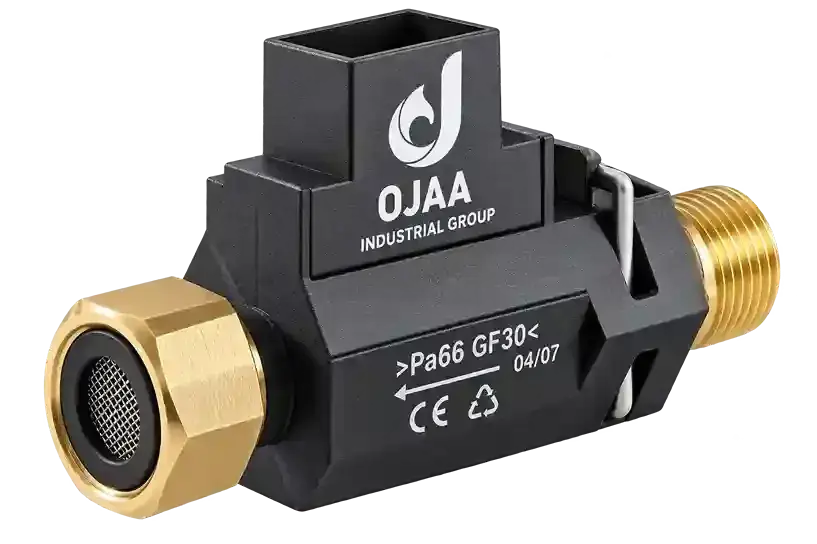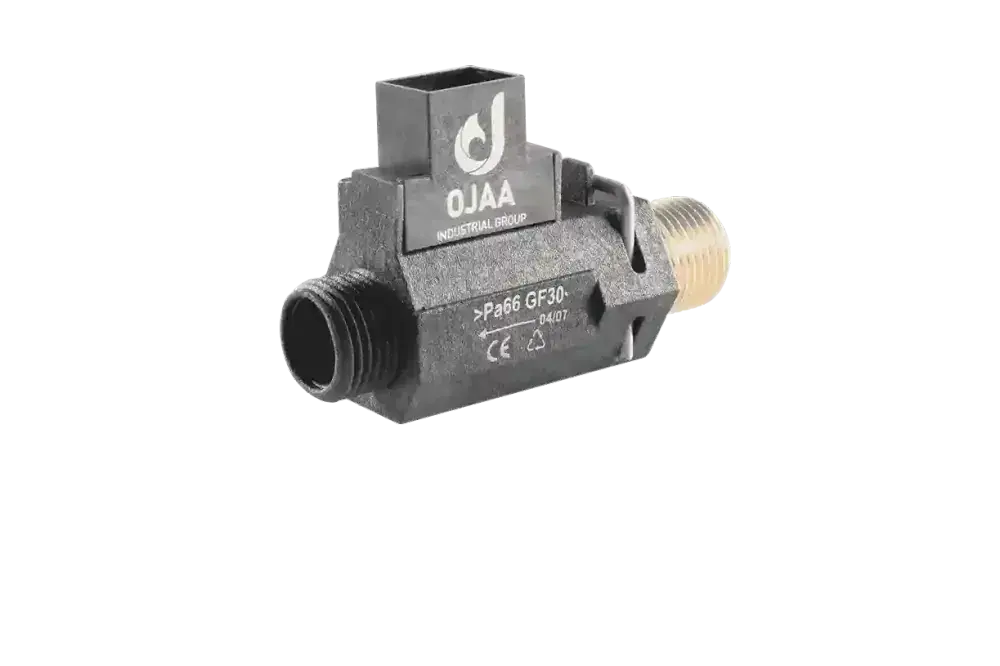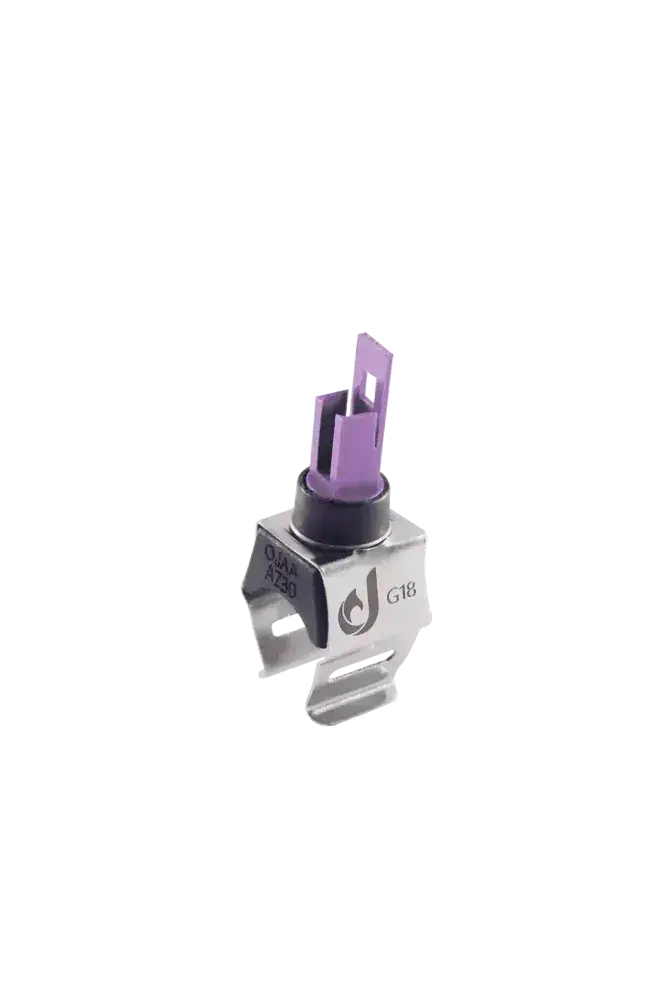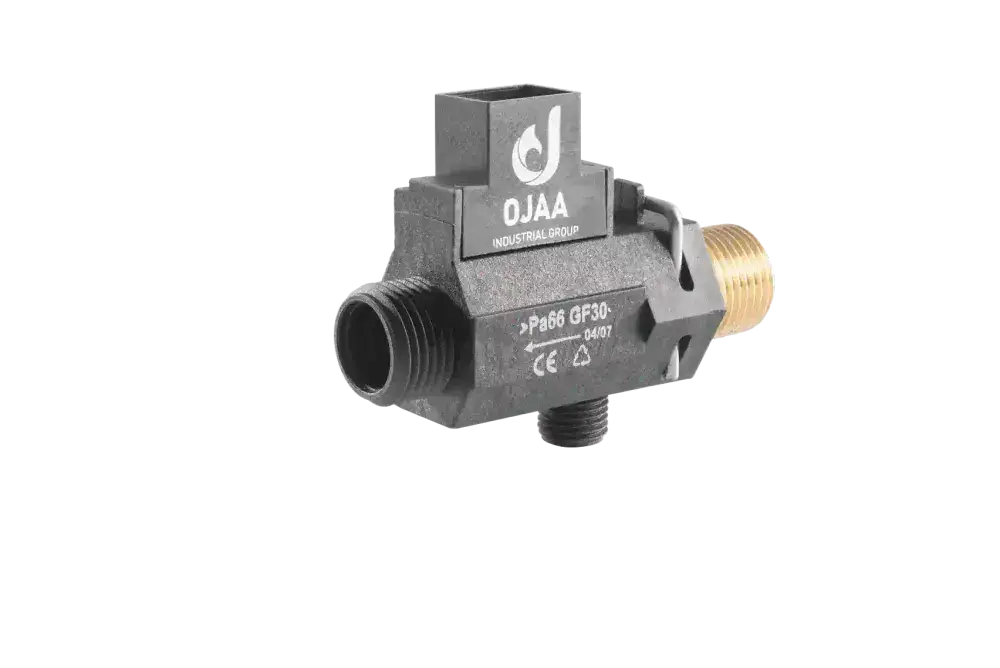
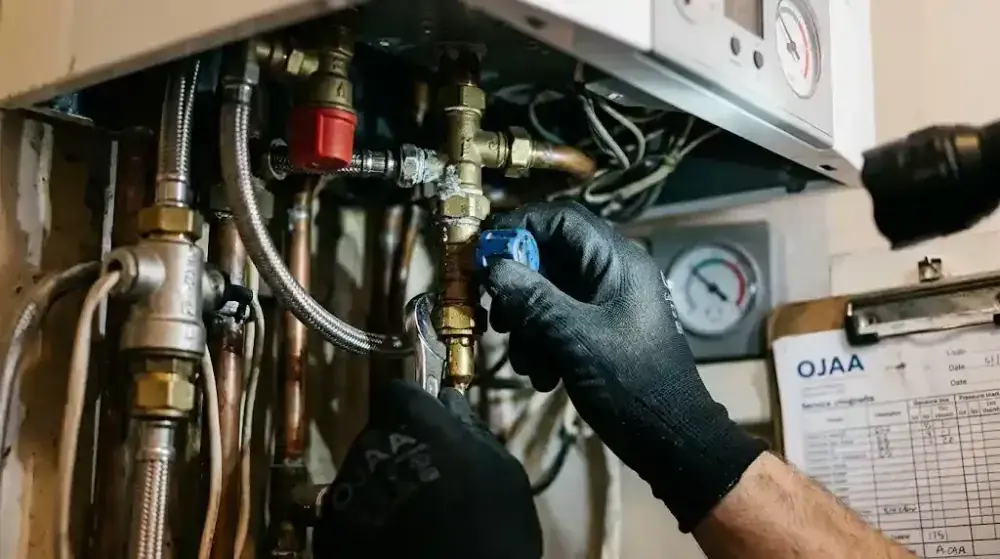
Precisely regulating the bar pressure in central heating systems is the first prerequisite for ignition. The system charging valve serves as the sole hydraulic bridge between the high-pressure cold mains and the closed heating circuit. However, internal O-ring failures within this component can throw the entire hydraulic block into chaos. Understanding this mechanism helps technicians quickly diagnose symptoms like autonomous pressure rising and random safety overflows.
What is a Boiler Filling Loop Valve and Its Function?
A boiler filling loop valve is a manual needle mechanism (usually featuring a blue or black plastic knob) located on the cold water inlet pathway. Its primary function is to inject fluid into the heating circuit to reach the standard operating pressure. Under normal conditions, this part must remain completely shut and watertight. Compensating for Water Loss: When a combi boiler pressure drop occurs, the user opens the adjustment knob to manually inject cold water into the system. Hydraulic Isolation: Once the gauge reaches 1. 5 bar, fully closing the tap isolates the central heating circuit from the domestic drinking supply. Integrated Designs: In highly compact modern units, this charging mechanism is often integrated directly into the brass manifold or the three-way flow switch housing.
Diagnosing Internal Leaks and Rising System Pressure
The most prevalent issue technicians encounter is the failure of the internal seal. Investigating a boiler filling loop valve leaking requires a close look at the brass needle's O-rings, which degrade and flatten over time. Failure of this seal triggers a destructive chain reaction within the appliance: Pressure Rising When Off: If the appliance is completely powered down but the gauge creeps upward, it confirms an internal passing leak forcing mains fluid into the circuit. Safety Relief Overflows: Continuous water injection from a faulty seal pushes the system past 3 bar, forcing the PRV to discharge fluid to prevent a rupture. Calcium Build-up: Hard minerals calcify on the brass spindle, physically preventing the rubber washer from sitting flush against the manifold seat.
The Dangers of an Open Valve and Hidden Pressure Drops
Accidentally leaving the charging tap partially open poses severe risks to the primary heat exchanger and circulation pump. Furthermore, external weeping from the body can rust the chassis. Strict adherence to hydraulic isolation protocols in the workshop is essential. Accelerating Limescale: A passing seal constantly introduces fresh, oxygenated, hard water into the closed circuit, rapidly scaling up the primary heat exchanger. Masking Serious Leaks: If the valve remains slightly open, it may artificially compensate for a true system pressure drop caused by leaking radiator pipes under the floor. Cross-Contamination Risk: If the mains supply fails and the pathway is open, sludgy black radiator fluid can siphon backward into the building's potable supply.
Safe Workshop Checklist for Component Replacement
If tightening the plastic knob does not stop the system from overpressurizing, the faulty part must be extracted. Replacing boiler filling loop components requires strict adherence to hydraulic safety steps. To prevent severe flooding and damage to the brass manifold, execute the following procedures: Isolate Water and Power: Disconnect the electrical supply and, crucially, shut off the primary cold mains isolation valve beneath the appliance to stop the flow. Depressurize the System: Open the drain cock to bleed the central heating circuit until the pressure gauge reads exactly zero bar, ensuring safe extraction. Utilize Standard O-rings: Always install the new charging valve using brand-new EPDM O-rings lubricated with pure silicone grease.
Final Summary
The boiler filling loop valve is the gateway for water entering the hydraulic block. If you face the issue of the gauge rising while the appliance is idle, a passing internal seal is almost certainly the culprit. Remember, this pathway must remain fully closed after system charging. When changing this component, always isolate the cold mains and drain the system to zero bar to protect the technician and the surrounding property from catastrophic flooding.