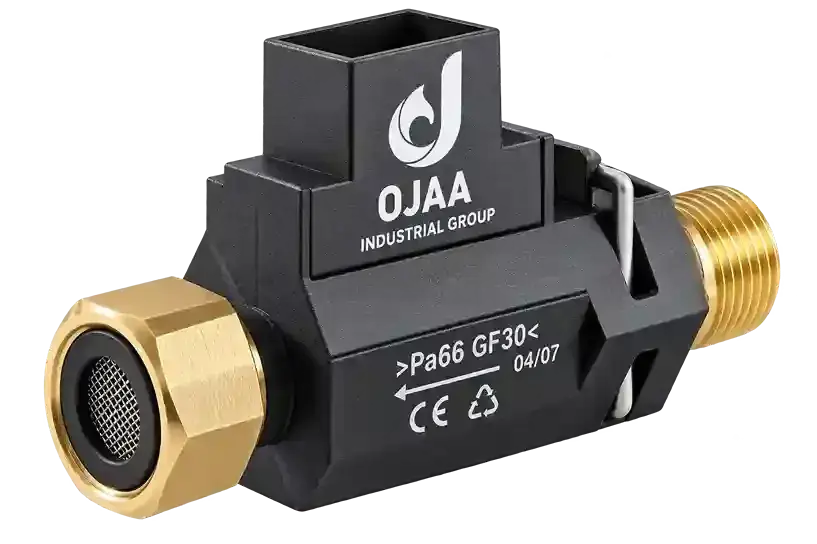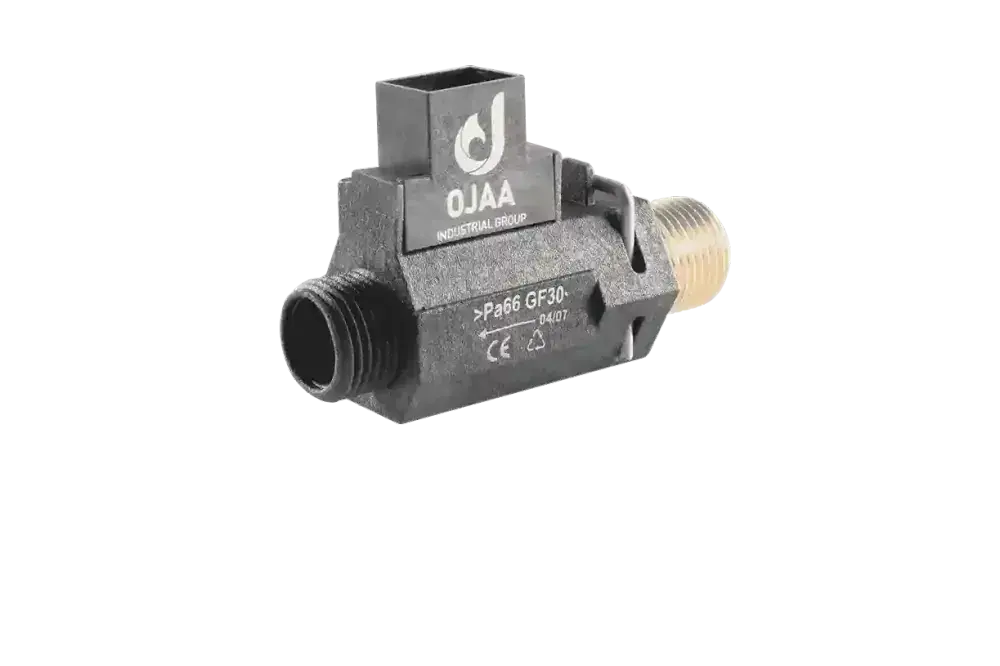
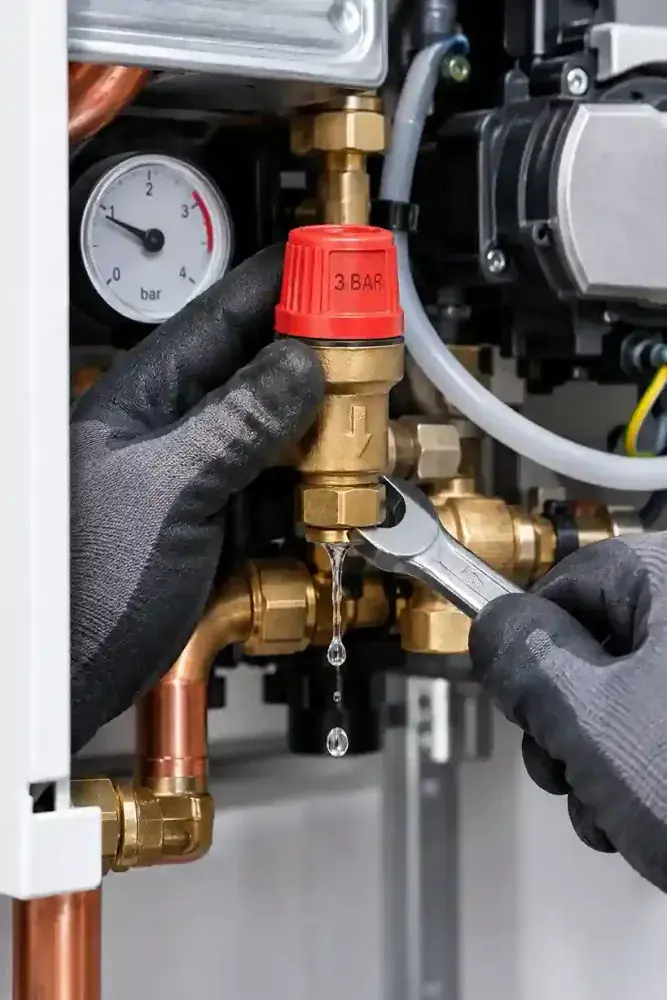
Encountering a combi boiler pressure relief valve dripping is a clear sign of hydraulic distress within the system. In most cases, this issue stems directly from the boiler 3-bar safety relief valve reacting to dangerous circuit pressures. As the final defense mechanism, it discharges water to prevent the heat exchanger and copper pipes from bursting. To resolve this problem permanently, technicians must diagnose the root cause of the overpressurization rather than blindly capping the valve.
What is a Boiler 3-Bar Safety Relief Valve and Its Function?
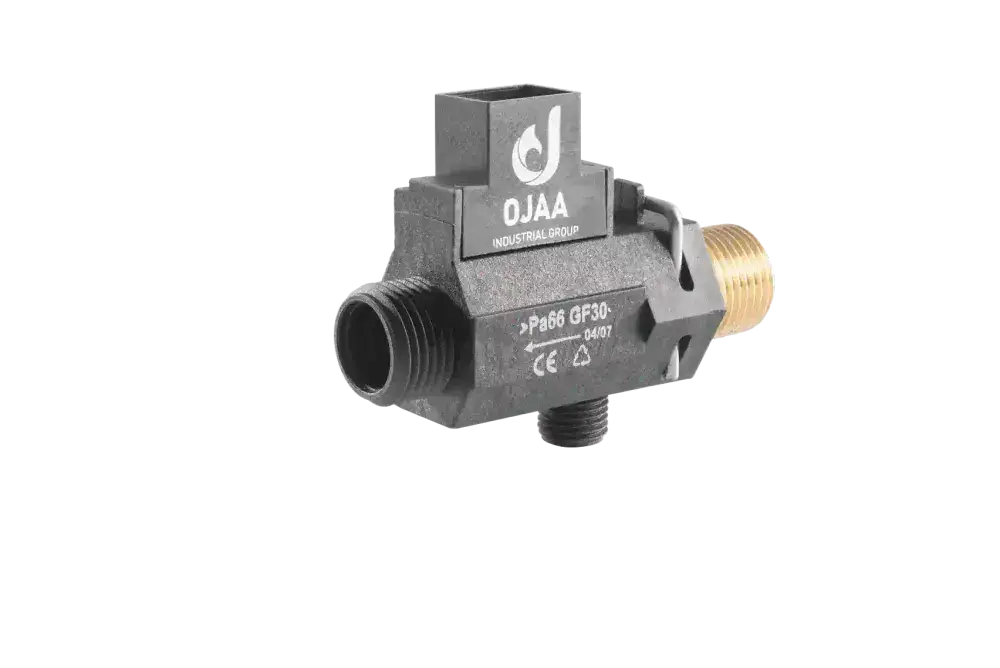
A boiler 3-bar safety relief valve (PRV) is a spring-loaded mechanical interlock installed on the hydraulic block. Its sole purpose is to discharge excess circuit water when the internal pressure crosses the critical 3-bar threshold. This valve has no electronic communication with the main board; it operates entirely on mechanical fluid dynamics. Internal Spring Mechanism: The heavy-duty spring is calibrated to resist water pressure exactly up to 3 bar. When hydraulic force exceeds this limit, the discharge port is forced open. Heat Exchanger Protection: Discharging the excess water rapidly lowers the system pressure back to a safe level (around 1. 5 bar), saving the heat exchanger from an explosive rupture. Installation Position: It is positioned at the lowest point of the flow or return manifold so that any discharged water safely exits the boiler casing.
Core Reasons for a Boiler PRV Leaking and Dripping
Diagnosing a boiler PRV leaking requires checking adjacent pressure components, as the valve itself is usually healthy but reacting to an external fault. A combi boiler pressure relief valve dripping is a natural protective response. The primary factors that force the safety valve to open include: Passing Filling Loop: If the manual filling loop's internal O-ring degrades, high-pressure cold mains water constantly forces its way into the heating circuit, causing an overpressurized boiler and a dripping valve. Expansion Vessel Failure: A ruptured internal diaphragm or a loss of pre-charge air in the expansion vessel means expanding hot water has nowhere to go, instantly pushing the circuit past 3 bar. Debris on the Seating Washer: If the safety valve opens just once, heating circuit sludge and scale often get trapped underneath the rubber seal, preventing it from closing fully and causing a permanent leak.
The Dangers of Capping an Overpressurized Boiler
Some inexperienced individuals attempt to fix a drip by installing a blanking cap on the discharge pipe. This is a lethal workshop error that traps extreme pressure inside an overpressurized boiler, leading to catastrophic bursts. OJAA Industrial Group strongly advises following strict safety protocols regarding hydraulic protection devices. Explosion Hazard: Blocking the PRV turns the boiler into a sealed vessel; the resulting pressure will rupture internal pipes or the main heat exchanger. Altering the Calibration: Twisting the red cap to tighten the spring destroys the 3-bar factory calibration, disabling the mechanical safety system entirely. Pressure Fluctuations: Ignoring a dripping valve leads to erratic pressure gauge behavior, causing sudden spikes when the burner fires and total pressure loss when it turns off.
Workshop Guide for Changing Boiler Safety Valve
When scale permanently damages the rubber seating washer, changing boiler safety valve components is the only viable solution. These valves are factory-sealed and cannot be repaired. Component replacement must strictly follow the complete electrical isolation and depressurization of the system: Parameter One (Pressure Rating): You must verify that the replacement part clearly features a "3 Bar" stamping on the plastic cap. Using 6-bar valves intended for water heaters is strictly prohibited. Parameter Two (Mounting Style): Relief valves are manufactured with either threaded connections (1/2 inch) or push-fit O-ring mounts; they are architecturally non-interchangeable. Parameter Three (Proper Sealing): When installing threaded models, avoid excessive wrench torque to prevent cracking the brass hydraulic block.
Final Summary
The boiler 3-bar safety relief valve is the most critical mechanical safeguard for your heating system's hydraulic block and heat exchanger. A combi boiler pressure relief valve dripping should never prompt you to cap the pipe; instead, investigate the root causes like expansion vessel failure or a passing filling loop. When changing boiler safety valve parts, always completely depressurize the bar circuit to zero and use a calibrated OEM replacement to guarantee the appliance's continued safety.