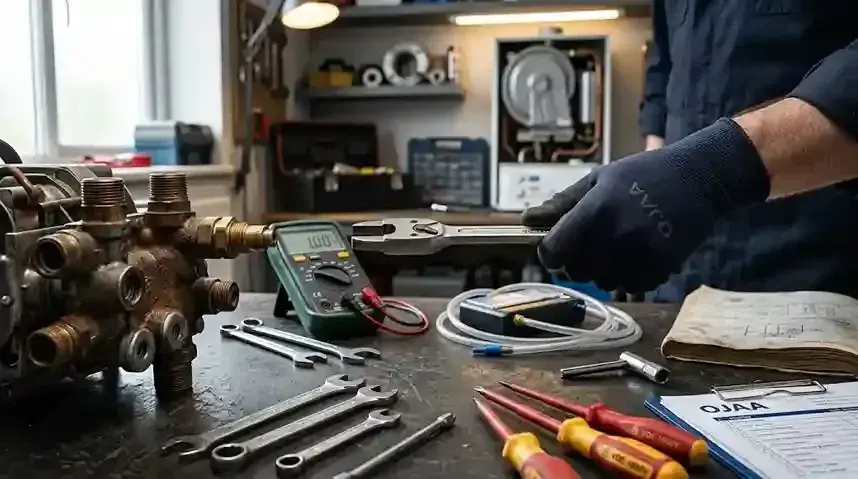
Specialized boiler repair tools define the boundary between a professional service and a substandard repair. In the modern hydraulic and combustion systems of wall-hung boilers, using generic tools like adjustable wrenches or pliers causes crushed brass threads, destroyed O-rings, and damaged sensor sheaths. Certified technicians rely on calibrated equipment and proprietary wrenches to accelerate fault-finding and prevent collateral damage to appliance components.
What Are Specialized Boiler Tools and Why Are They Vital?
Specialized boiler repair tools comprise a specific set of wrenches designed for hydraulic blocks, alongside precision electronic measurement devices. These tools perfectly match the exact dimensions of components like flow switches and temperature sensors. Using non-standard tools directly leads to the deformation of polymer and brass parts. The critical importance of these tools includes the following points: Preventing Leaks: Standard wrenches apply the correct torque to threads, preventing the tearing or misalignment of sealing O-rings. Accessing Blind Spots: Many sensors are located behind the main heat exchanger or pump, accessible only with deep slotted sockets. Technician Safety: Equipment featuring standard electrical insulation protects technicians from severe electric shocks and scalding water.
Overview of Specialized Boiler Wrenches (NTC & Flow Switch Tools)
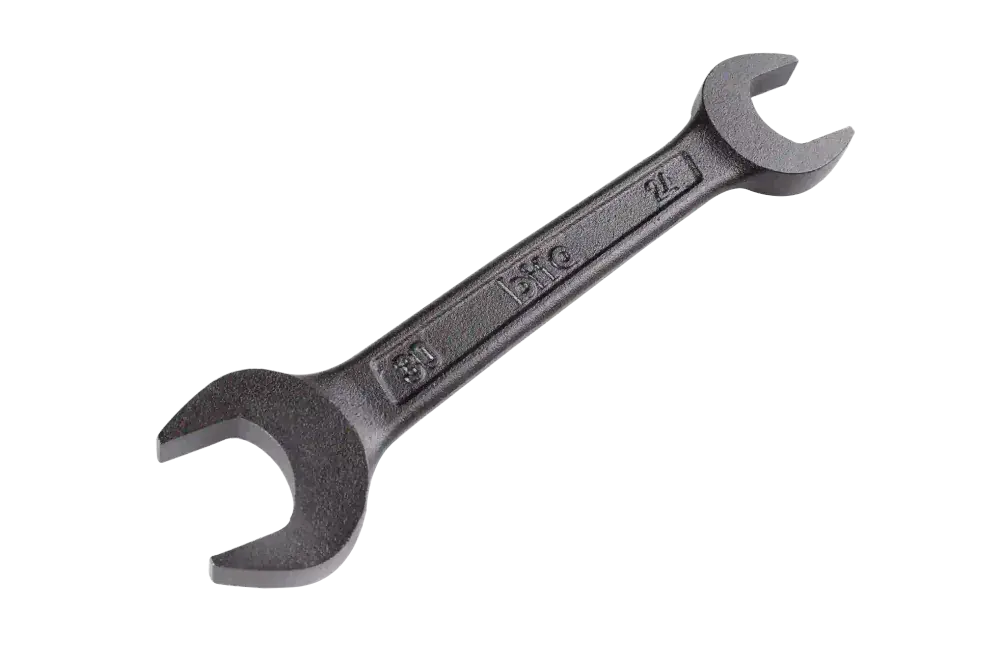
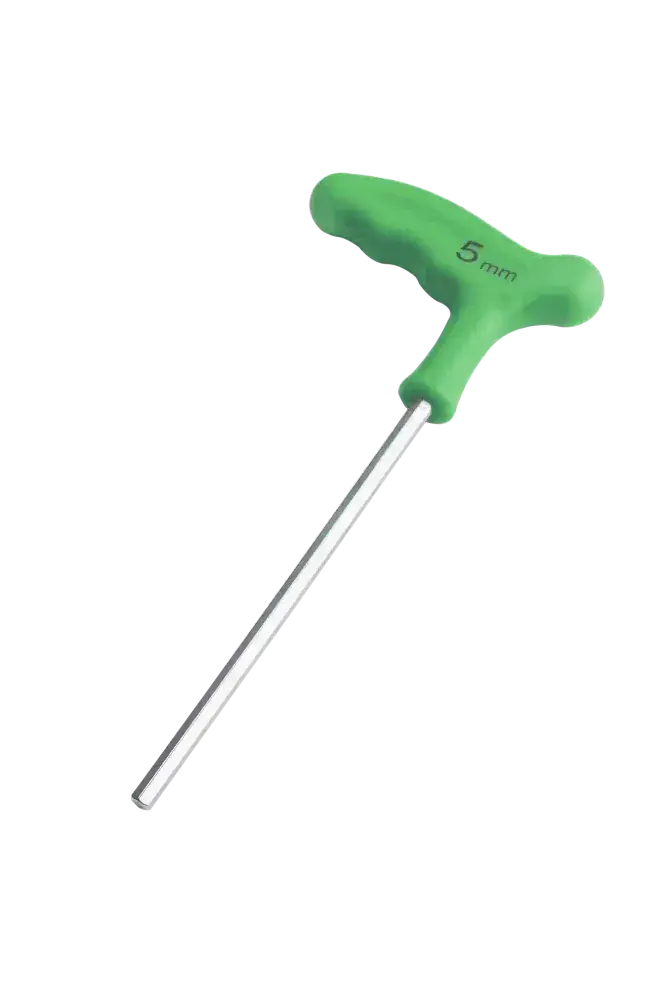
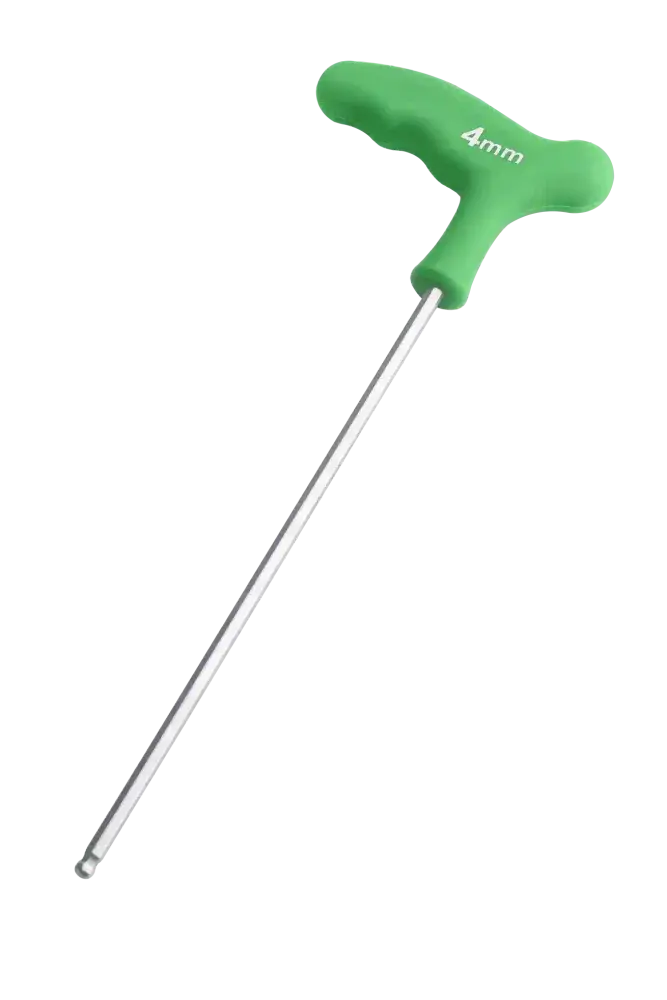
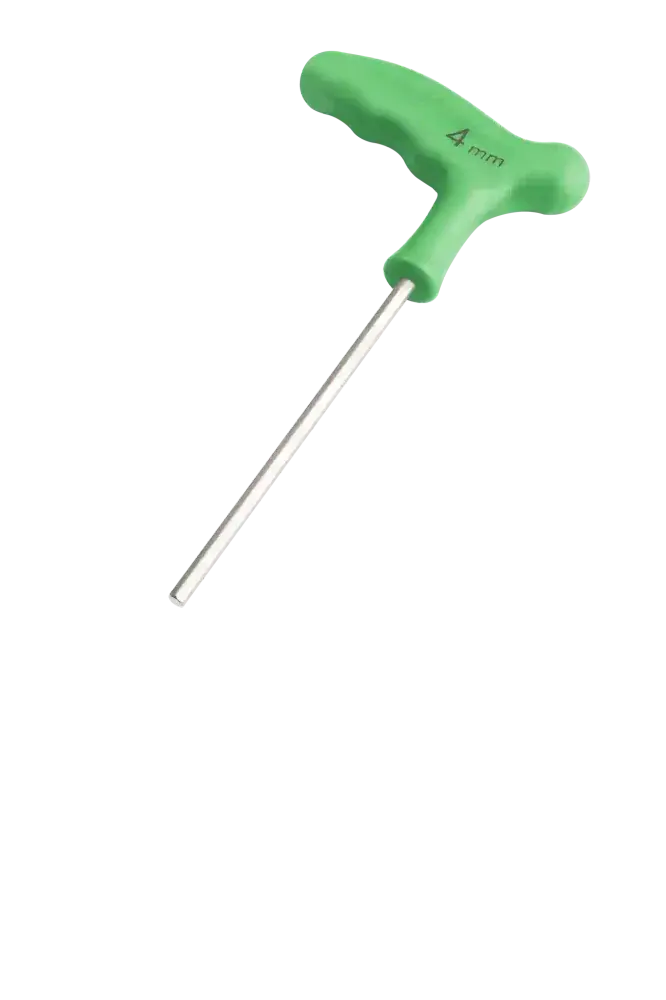
Dedicated wall-hung boiler wrenches are engineered to safely extract faulty components without requiring the complete dismantling of the hydraulic block. These hand tools are generally forged from Chrome-Vanadium alloys to withstand high torque. The most common mechanical tools in a professional service technician's toolkit include: Slotted Sensor Socket Wrench: A deep socket with a lateral slot that allows technicians to unscrew the NTC sensor from the block without cutting its attached wire harness. Flow Switch and Flow Meter Spanners: Ultra-thin open-ended spanners designed specifically to fit narrow brass nuts, preventing the crushing of delicate flow control components. Radiator and Pump Bleed Keys: Small but crucial tools designed for the safe venting of trapped air from the hydraulic circuit without rounding off polymer bleed valves.
Workshop Electronic Measurement and Testing Equipment
Boiler repair involves much more than loosening mechanical parts; modern diagnostics require the precise measurement of signals and fluid pressures. Without these devices, a technician is merely guessing at the underlying faults. Electronic testing equipment must be regularly calibrated and resilient enough for damp boiler room environments: Digital Differential Manometer: Used to precisely measure inlet gas pressures in millibars and evaluate the venturi fan suction in Pascals. Calibrated Digital Multimeter: The definitive tool for performing cold ohmic tests on sensors, measuring gas valve coil voltages, and checking wiring harness continuity. Infrared Laser Thermometer: Utilized to compare the actual surface temperature of flow and return pipes against the data reported by the sensors to the main board.
Checklist for Selecting and Buying Boiler Repair Tools
When equipping a new workshop or upgrading an existing toolkit, technicians must pay special attention to material standards and ergonomic designs. Parameter One (Tool Alloy): Mechanical wrenches must be forged from hardened steels (such as Chrome-Vanadium) to ensure they do not flex or snap when addressing heavily scaled components. Parameter Two (Electrical Insulation): Pliers, screwdrivers, and multimeter probes must feature certified VDE insulation (rated up to 1000V) to guarantee electrical safety. Parameter Three (Sensor Accuracy): Diagnostic equipment like manometers and thermometers must have periodic calibration certificates ensuring accuracy down to decimal scales. Parameter Four (Ergonomic Design): Anti-slip silicone handles allow technicians to maintain full control over the tools in wet and greasy boiler room conditions.
Final Summary
The quality of a wall-hung boiler repair is directly proportional to the quality of the technician's tools. Investing in specialized boiler repair equipment, ranging from slotted socket wrenches for NTC sensors to precision measurement devices like manometers and multimeters, not only speeds up diagnostics but also prevents secondary damage to expensive brass and polymer parts. OJAA Industrial Group highly recommends the exclusive use of calibrated, standard tools to maintain the overall safety of heating systems.