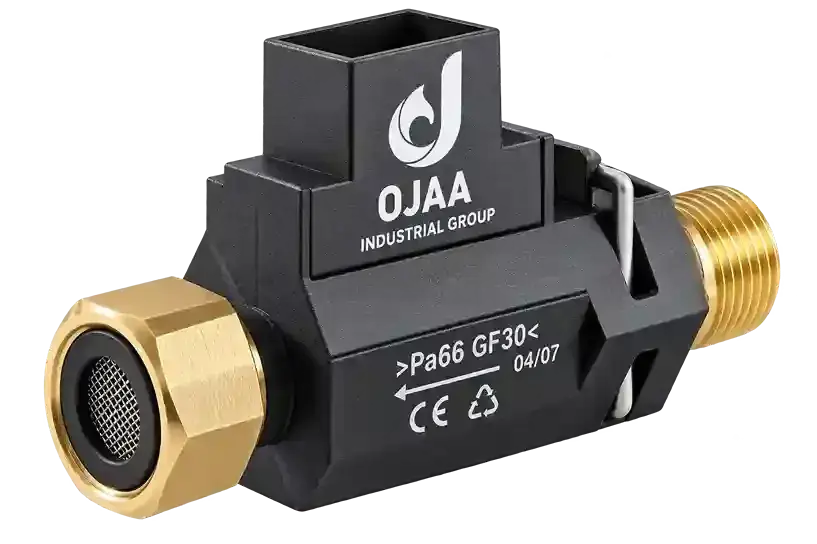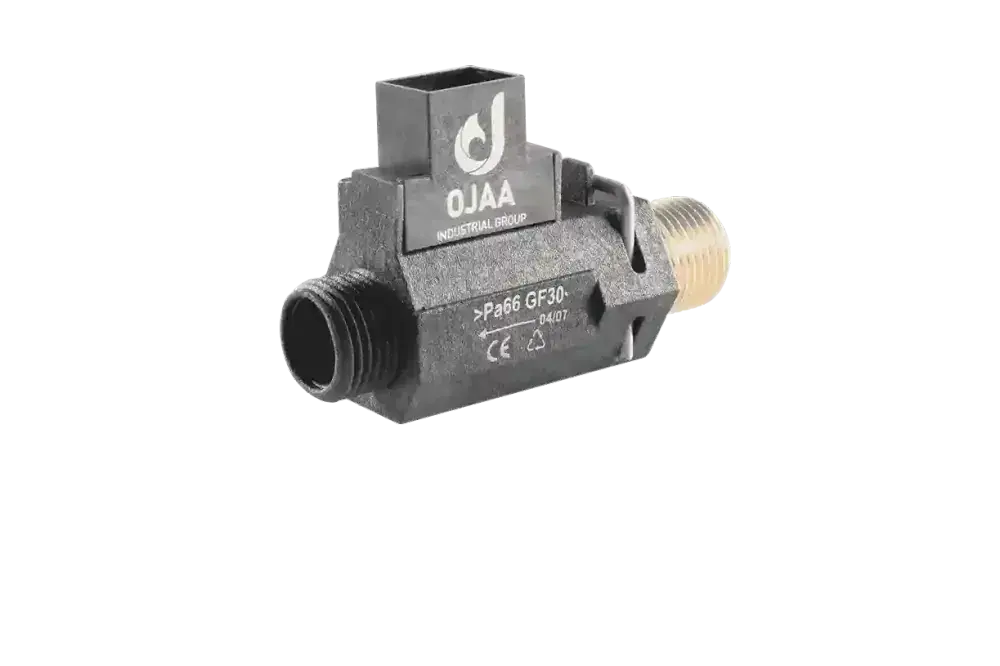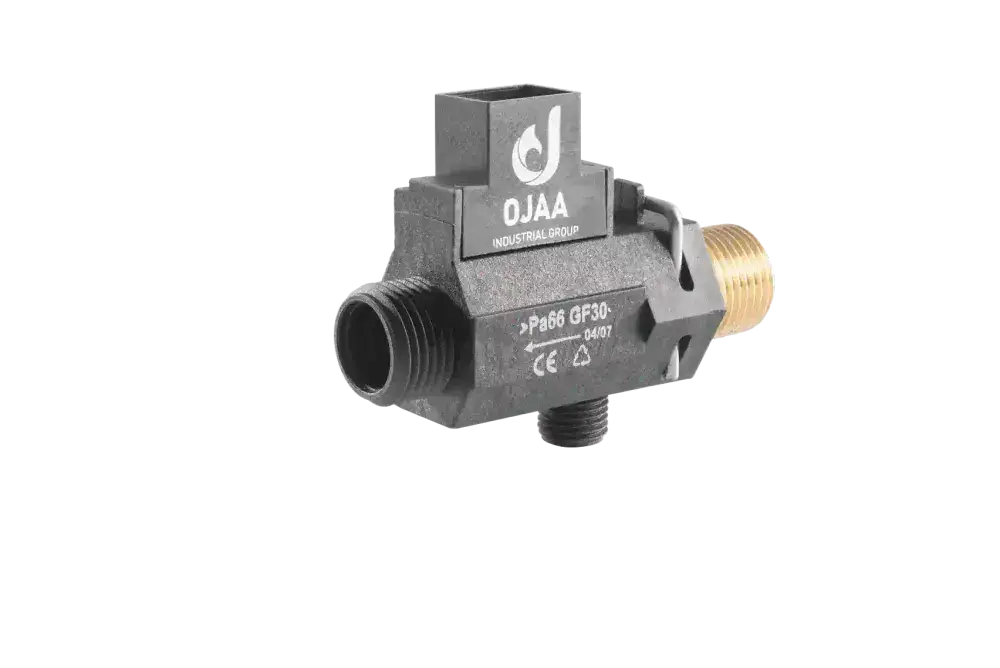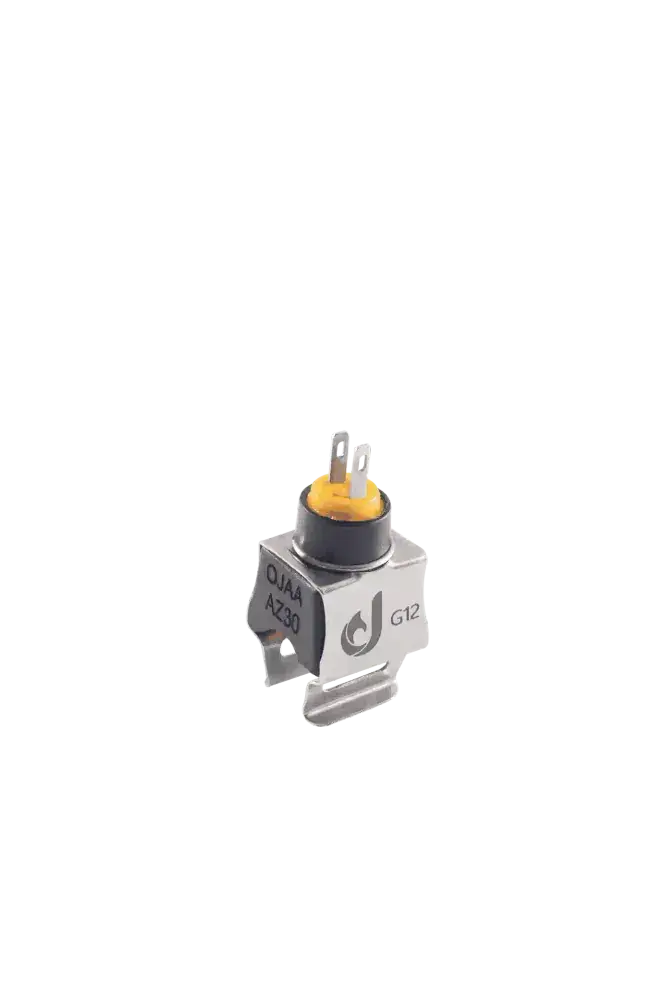
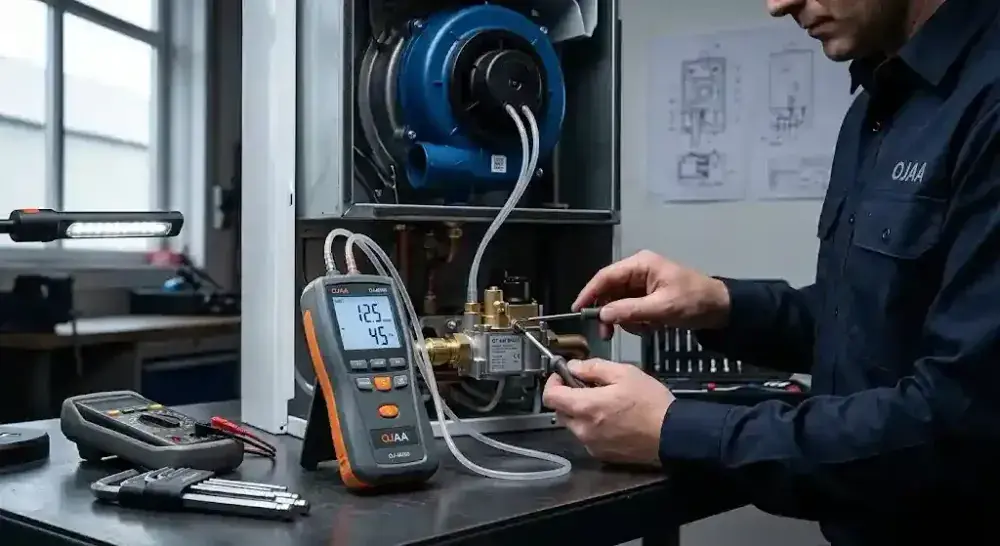
A specialized boiler manometer is a precision differential pressure measuring instrument required for the calibration, adjustment, and troubleshooting of hydraulic, combustion, and flue gas extraction systems in wall-hung combi boilers. Utilizing this tool is mandatory for factory quality control, repair workshop technicians, and certified service personnel to guarantee appliance efficiency and safety.
What is a Differential Manometer and Its Role in Boiler Fault Finding?
A differential manometer is an engineered instrument designed to precisely measure the pressure difference between two distinct points, typically displaying results in millibars (mbar) for gas and Pascals (Pa) for air. This tool is critical for adjusting the combustion gas valve and verifying the operational status of the air pressure switch. Without the use of this specialized gauge, burner flame adjustment relies solely on estimation, leading to incomplete combustion, the generation of toxic carbon monoxide (CO), and premature failure of the heat exchanger. Primary Application: Measuring and calibrating gas valve inlet and outlet pressures (e. g. , SIT SIGMA models). Functional Testing: Assessing the differential pressure generated by the fan venturi to activate the air pressure switch. Blockage Inspection: Verifying the integrity of the air intake and flue extraction ducts.
Difference Between Analog (U-tube) and Digital Manometers in a Service Workshop
In factory quality control and service workshop environments, the selection between analog liquid column gauges and digital piezoresistive sensors must be based on requirements for precision, measuring range, and data logging capabilities. Digital manometers, with their superior accuracy and readability, are now the preferred choice for professional boiler technicians. Analog U-tube Manometer: Simple, requires no electronic calibration, but features lower resolution and poses a risk of visual reading errors. Digital Differential Manometer: Equipped with silicon sensors, offers resolutions down to 0. 1 Pascal or 0. 01 millibar, includes an illuminated display, and provides functions like Min/Max Hold for recording peak values.
Procedure for Testing the Air Pressure Switch Using a Manometer
Testing the air pressure switch with a manometer involves precisely measuring the fan’s differential pressure to ensure it matches the component’s factory Set-point, according to official workshop procedures. This test must be strictly conducted in a Safe Mode workshop setting using standard silicone tubing connections. Safety Warning: Never test an air pressure switch by blowing into it by mouth; this introduces moisture and permanently degrades the internal diaphragm. Testing Steps: Disconnect the boiler from the electrical supply. Set the digital manometer to the Pascal (Pa) unit. Connect the positive (P+) probe of the manometer to the fan venturi suction port. Power on the appliance to activate the fan; read the differential pressure on the display. The measured value must be higher than the Switch-on pressure printed on the air pressure switch body.
Specialized Boiler Manometer Selection and Buying Checklist
Measuring Range: Must be capable of sensing low air pressures (down to 300 Pa) and higher incoming gas pressures (up to 50 mbar). Display Units: Simultaneous support for millibars (mbar), Pascals (Pa), and inches of water (inH2O) is mandatory. Accuracy and Resolution: A resolution of 0. 1 mbar for gas valve adjustment and 1 Pascal for air pressure testing is required. Differential Connections: Must be equipped with high-quality, leak-proof positive (P+) and negative (P-) input ports. Standards and Calibration: The gauge must possess a valid factory calibration certificate and comply with EN ISO 17025 or an equivalent standard. Essential Accessories: Inclusion of heat-resistant silicone tubing, brass connectors, and silicone grease for proper O-ring interface sealing.
Final Summary
The safety and performance of a wall-hung boiler directly depend on the precise calibration of differential air and gas pressures, achievable only with specialized, calibrated manometers. Purchasing a standard gauge for factory quality control and OJAA-certified service personnel not only increases the quality of service but also eliminates risks associated with incomplete combustion and recurring air pressure faults.