Understanding the exact selection criteria for specialized boiler repair tools is the primary differentiator between precision heating engineering and expensive component damage. Professional boiler repair tools comprise narrow-profile heat exchanger wrenches, extended-reach ball-end T-handle hex keys, pneumatic pressure gauges, and digital multimeters designed specifically for the ultra-confined interiors of wall-hung combi boilers. Utilizing heavy, generic plumbing wrenches on delicate heating components results in rounded brass unions, stripped pump housing hex heads, and fractured composite manifolds. In modern service protocols, purpose-built tooling accelerates descaling procedures, allowing service technicians to extract secondary plate heat exchangers without dismantling the entire hydraulic infrastructure. Sourcing tools manufactured from hardened chrome-vanadium (Cr-V) alloys guarantees torsional resistance and prevents field slippage. This comprehensive engineering guide examines plate heat exchanger wrenches, ball-end T-wrenches, diagnostic instrumentation, and the mandatory field toolkit checklist for combi heating maintenance.
Specialized Low-Profile Wrenches for Plate Heat Exchangers and Hydroblocks
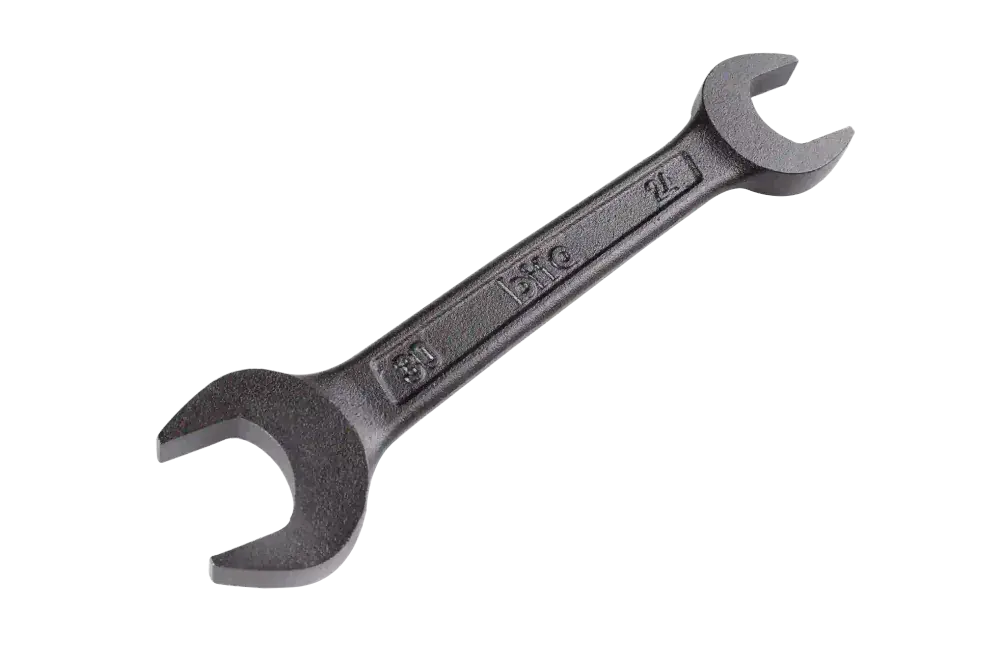
Extracting the secondary plate heat exchanger in compact combi boilers presents an ongoing access challenge due to tight clearances between the combustion chamber base, diverter valve motor, and circulation pump body. Conventional open-ended wrenches possess thick jaws that cannot seat across narrow nut flats. 24-30 mm Low-Profile Boiler Wrench: This specialized hand tool features an ultra-thin stamped and hardened profile, engineered specifically to engage 24 mm and 30 mm union nuts on plate heat exchangers, 3-bar safety discharge valves, and brass flow switch collars. The optimized jaw geometry permits high torque transfer without rounding brass hexagonal corners. Slim-Jaw Adjustable Wrenches: Featuring jaws tapered below 4 mm thickness, these tools provide parallel clamping force across non-standard copper tube union nuts in confined boiler compartments. Manufactured at OJAA Industrial Group production facilities in Abbasabad Industrial Estate, the specialized 24-30 mm boiler wrench (model OJ-30-24) is forged from high-tensile alloy steel and hardened to resist jaw deflection under high mechanical torque.
Ball-End T-Handle Hex Keys for Circulation Pump Maintenance
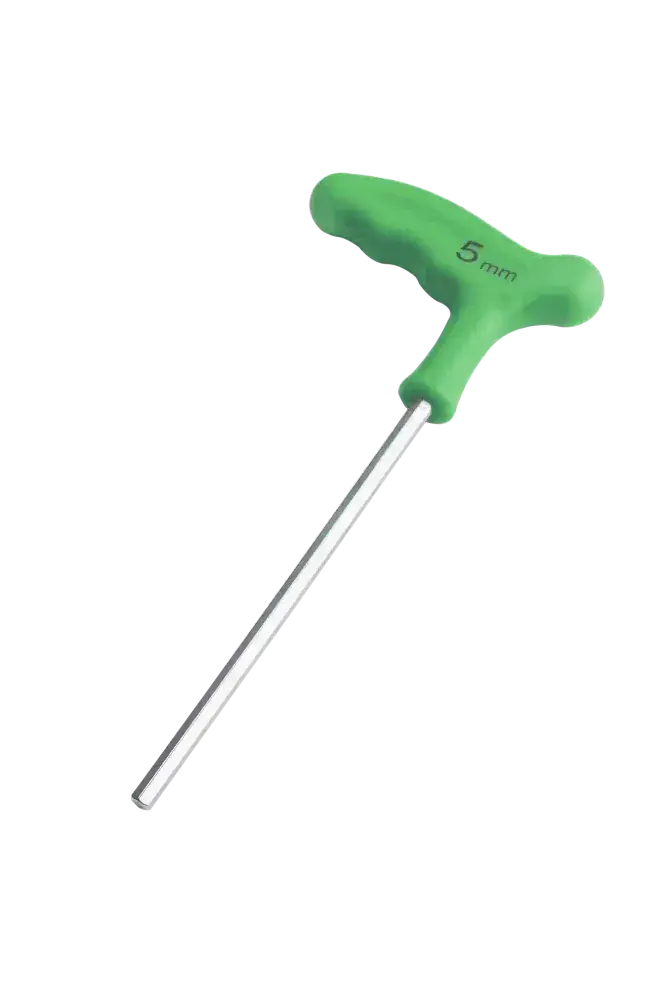
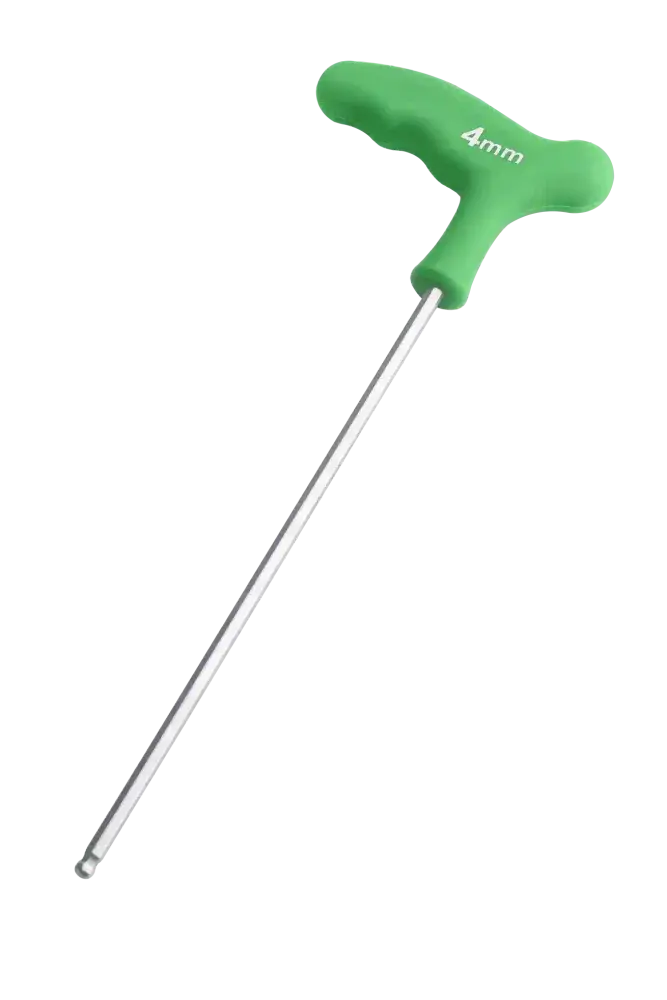
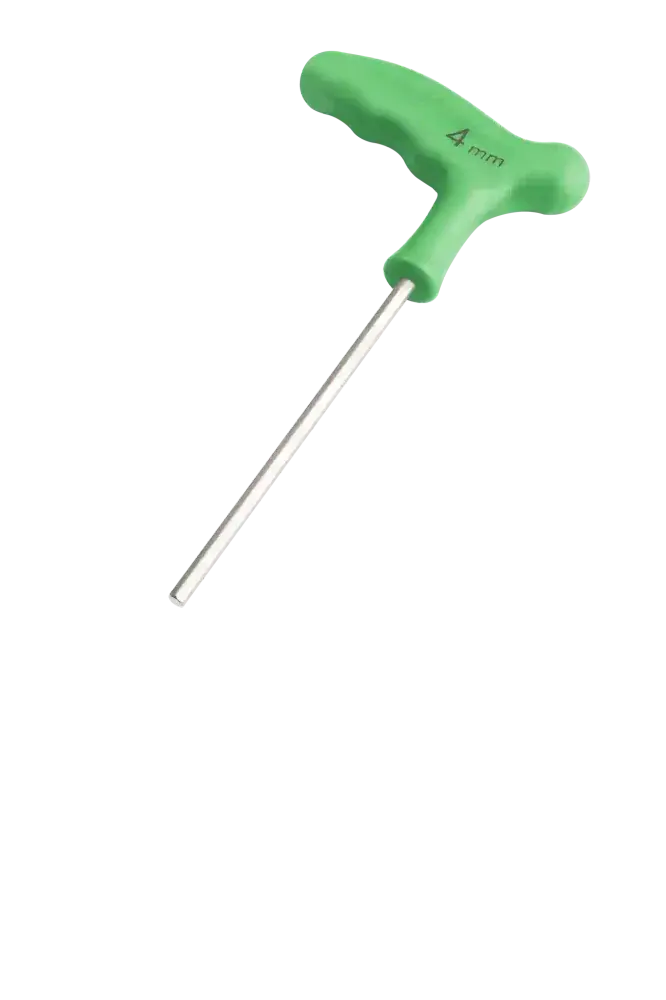
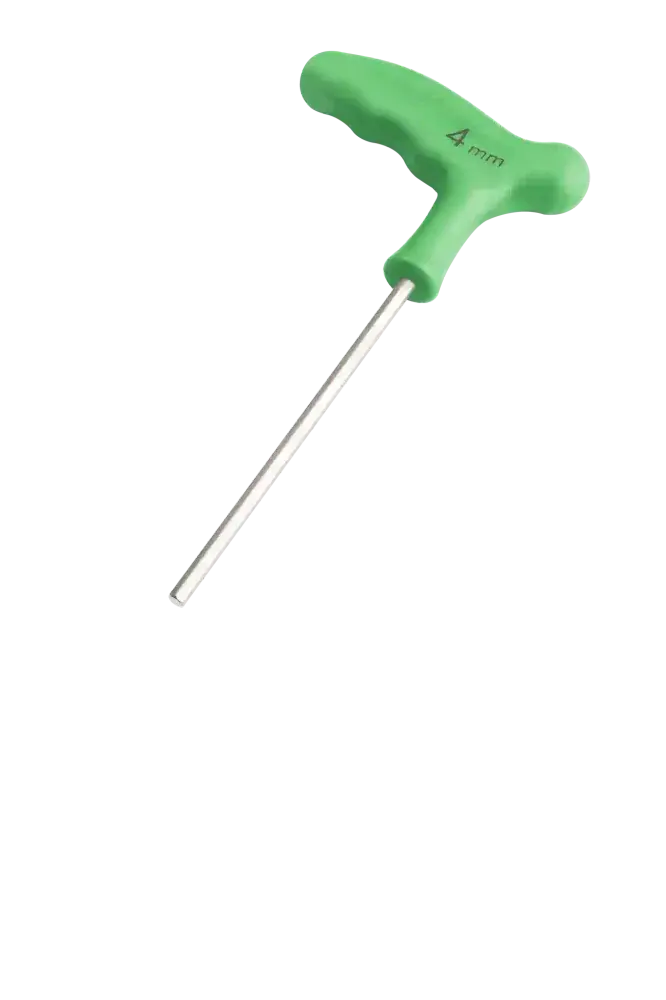
Fasteners securing circulation pump motor heads, diverter valve actuator brackets, and flue fan collector collars require balanced axial torque to prevent thread galling. Ergonomic T-Handle Mechanics: The symmetric T-handle design provides balanced two-handed control, allowing the technician to apply downward axial pressure with one hand while turning with the other. This mechanical alignment prevents the bit from camming out and stripping stainless-steel hex socket recesses. Ball-End (Spherical) Drive Profile: Ball-end hex geometry allows the tool shank to engage socket screws at angles up to 30 degrees off-axis. Where hydraulic pipes or pump housings block straight-line access, ball-end keys are the only viable method for fastener extraction. The OJAA specialized tooling line includes 4 mm T-handle hex keys (OJ-4), 5 mm variants (OJ-5), and professional ball-end models (OJ-+4 and OJ-+4T) engineered for pump head extraction across domestic heating platforms.
Electrical Diagnostic Instruments for Combi Servicing
Troubleshooting active sensors and safety loops requires electrical instrumentation with high diagnostic resolution: Digital Multimeters with Needle-Point Back-Probing Needles: The baseline instrument for measuring 10 kΩ NTC resistance curves, checking zero-ohm continuity across high-limit bimetallic thermostats, and evaluating live 0. 5V to 3. 5V analog pressure transducer outputs. Sharp needle probes slide past weather-pack rubber seals without puncturing wire insulation. K-Type Thermocouple Pipe Clamps: Dual clamp probes attached to primary flow and return pipes provide live delta-T telemetry, allowing technicians to verify pump circulation velocity and emitter heat transfer. Non-Contact Phase Testers: Essential for verifying line polarity; reversed active and neutral conductors on modern control boards prevent flame rectification rods from sensing ionization currents.
Pneumatic Instruments and Expansion Vessel Calibration Tools
Primary circuit pressure loss and 3-bar safety valve weeping correlate directly with expansion vessel air charge degradation: Digital or Dial Tire Pressure Gauges: Measures dry pre-charge pressure inside the expansion vessel Schrader valve, which must be calibrated between 1. 0 and 1. 2 bar with system water fully drained. Portable Flexible High-Pressure Pumps: Engineered with flexible braided hoses to reach recessed Schrader valves located behind boiler chassis backplates. Digital Differential Micro-Manometers: Measures static gas pressure across SIT 845 modulating valves in millibars, enabling precise calibration of minimum, maximum, and soft-start ignition pressures to eliminate burner detonations. Combustible Gas Sniffers: Sensitive electronic detectors that trace methane leaks around gas train fittings and burner test nipples following service interventions.
Chemical Descaling Pumps and Flushing Equipment
High municipal water hardness necessitates periodic chemical restoration of heat exchanger passages: Reversible Acid Flushing Pumps: Acid-resistant polymer pumps featuring integrated chemical reservoirs and flow-reversal valves. Circulating sulfamic or inhibited hydrochloric acid solutions dissolves calcium carbonate scale without degrading parent copper and stainless-steel brazing. Reinforced Quick-Coupling Transfer Hoses: High-integrity 1/2-inch and 3/4-inch braided transfer hoses prevent chemical leakage onto electrical components during descaling.
Technician Field Service Toolkit Checklist
A fully compliant combi boiler maintenance kit should include the following tools: Hydraulic Wrenches: 24-30 mm low-profile wrench (OJ-30-24), wide-capacity smooth-jaw adjustable wrench, and 8, 10, 12, 13, 14, and 17 mm open-ended service spanners. Hexagonal Drive Tools: 4 mm and 5 mm T-handle hex keys and ball-end drivers (OJ-4, OJ-5, OJ-+4). Electrical Instrumentation: Digital multimeter with back-probing needles, dual pipe clamp thermometers, and insulated 1000V screwdrivers. Pneumatic Equipment: Schrader valve tire gauge, flexible hand pump, combustible gas detector, and digital differential manometer. Consumable Maintenance Supplies: Assorted WRAS-rated EPDM O-rings, pure food-grade silicone grease, zinc-oxide thermal paste, PTFE sealing thread, and fine copper polishing pads.
Material and Quality Standards for Professional Service Tooling
Evaluating service tools prior to procurement requires strict quality verification: Alloy Composition: Tools forged from chrome-vanadium (Cr-V) or S2 tool steel exhibit superior torsional strength, preventing rounded hex keys and fractured wrench jaws. Anti-Corrosion Finishes: Matte chrome or black phosphate surface finishes prevent rusting caused by recurring contact with acidic condensate and hydronic fluid drips. Instrument Accuracy Certification: Differential manometers and electrical multimeters should carry certified calibration records to ensure precise gas pressure and voltage verification.
Final Summary
Specialized boiler repair tools protect appliance integrity and ensure compliant heating maintenance. Deploying engineered low-profile wrenches like the OJAA 24-30 mm tool, ergonomic T-handle ball-end hex keys, and calibrated electrical instruments reduces maintenance downtime and prevents component damage. Investing in certified technician tooling forged from high-grade alloys maintains field diagnostic accuracy and preserves the operating efficiency of wall-hung combi boilers.