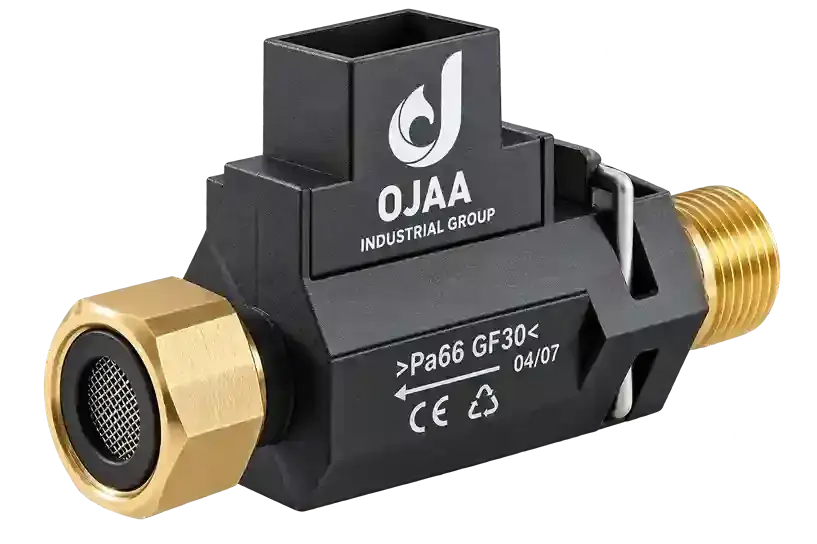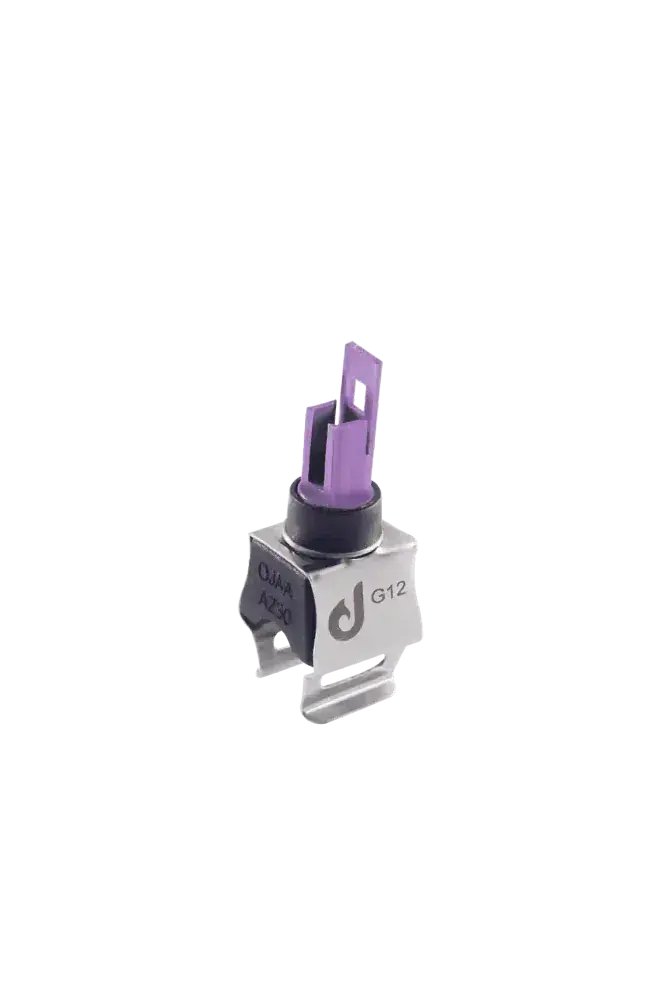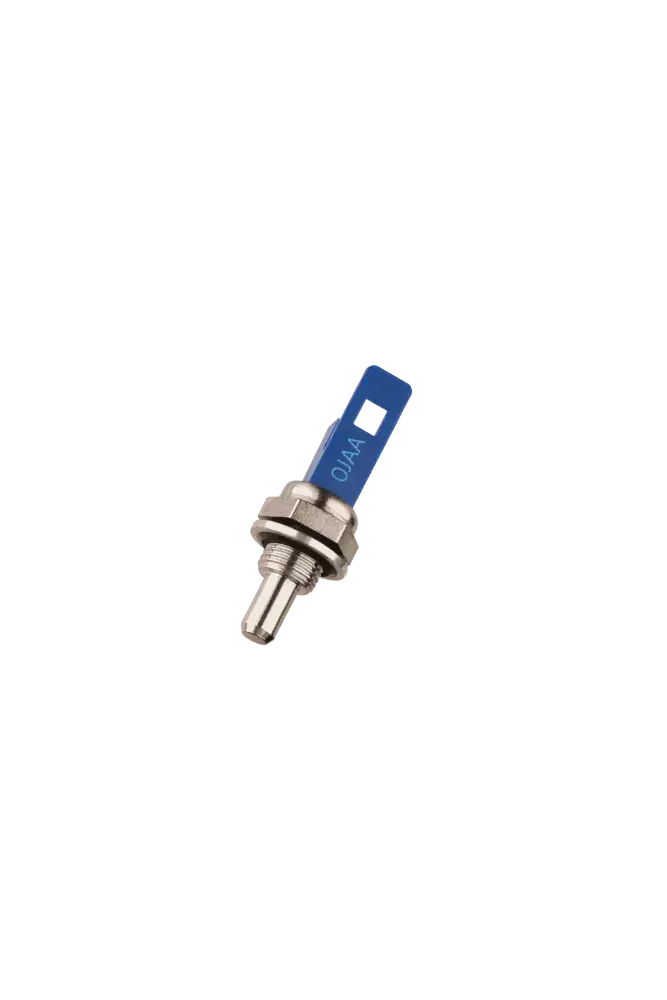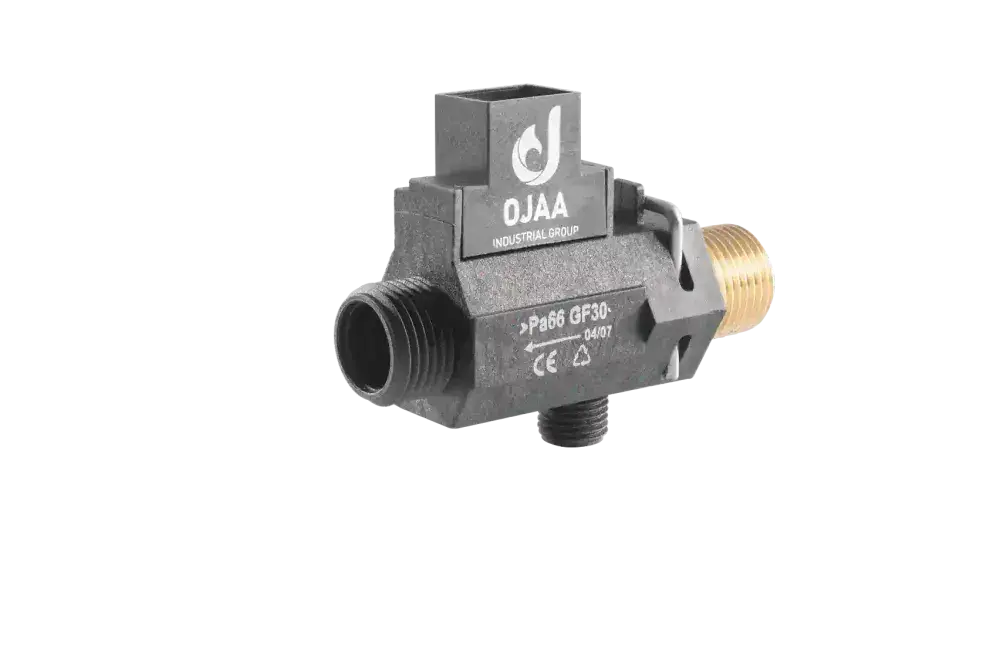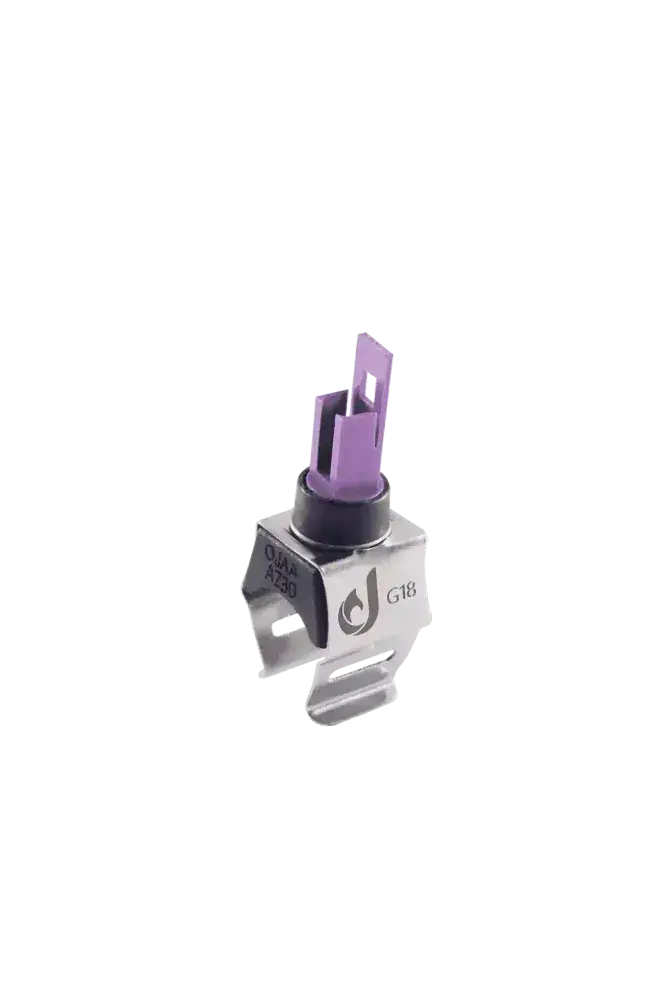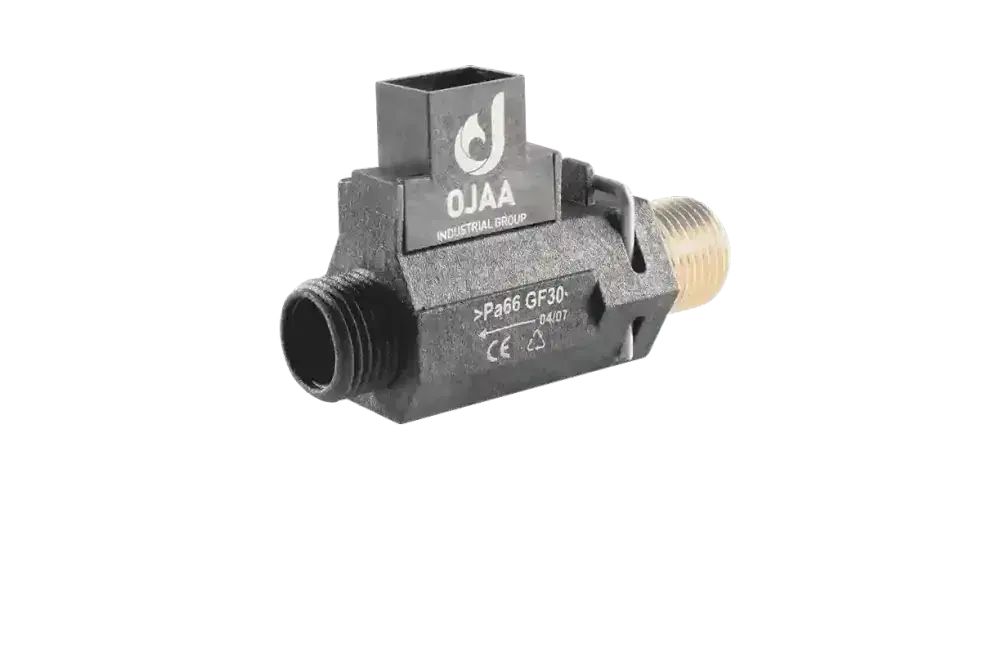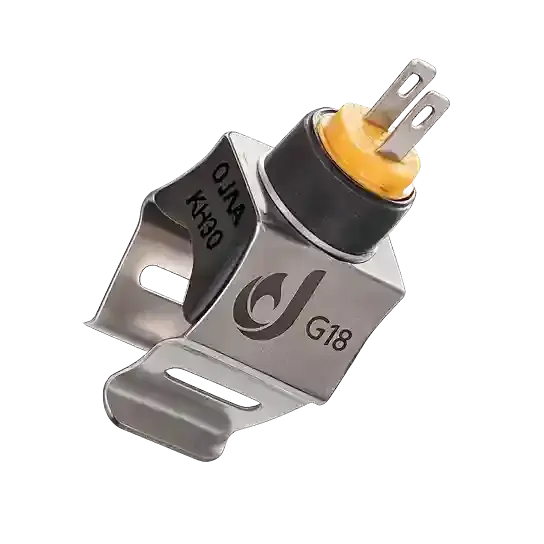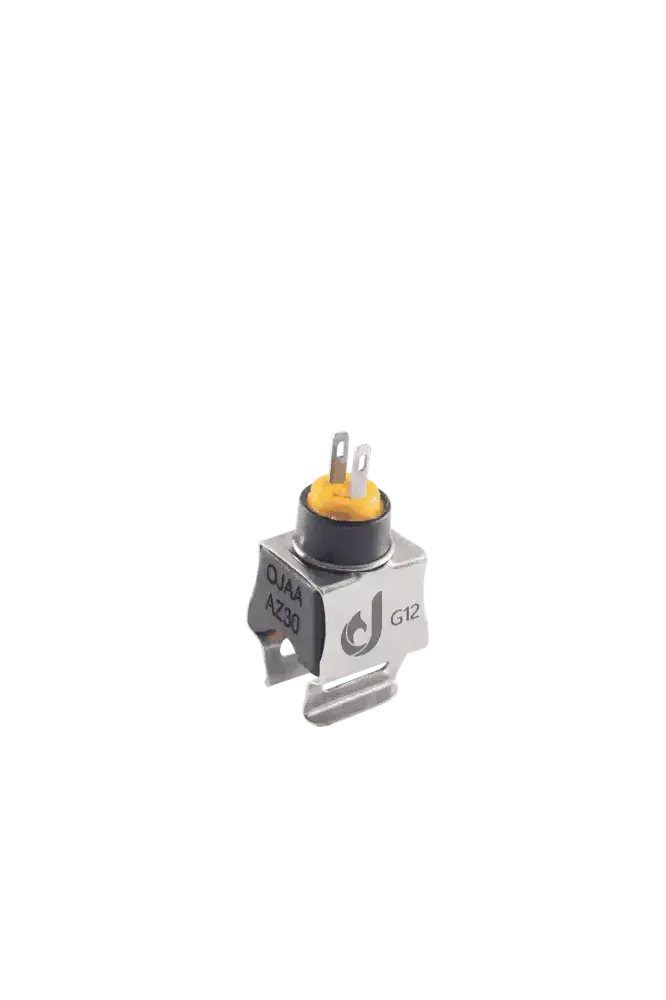
Safeguarding building occupants from the invisible, lethal byproducts of combustion is the paramount engineering priority in wall-hung boiler design. In atmospheric (open-flue) boilers, where exhaust evacuation relies entirely on the natural draft of the chimney, the risk of toxic gases spilling back into the living space is a constant environmental threat. The boiler flue thermostat (professionally known as a Spillage Switch) serves as the ultimate sentinel. Mounted at the highest point of the appliance's draft diverter, it instantly detects the spillage of carbon monoxide. Employing non-standard testing methods or bypassing this component entirely during a lockout carries irreversible, fatal consequences. Mastering the physics of combustion gases and strictly adhering to safe, cold-testing workshop protocols is a fundamental requirement for professional diagnostics.
What is a Boiler Flue Thermostat and How Does the Bimetallic Disc Work?
A boiler flue thermostat is a compact thermal limit switch mounted precisely on the edges of the draft hood (draft diverter) at the very top of open-flue boilers. The internal architecture of this sensor operates on a simple yet highly sensitive mechanical principle: The Bimetallic Disc: At the core of the spillage switch lies a disc forged from two metals with differing coefficients of thermal expansion. At normal ambient room temperatures, the disc remains flat, holding the internal electrical contacts firmly together. This allows the control current to flow freely (a Normally Closed or NC state). Exhaust Heat Detection: If the chimney generates a healthy draft, hot combustion gases flow smoothly outdoors, leaving the thermostat cool. However, if the chimney is blocked, the exhaust gases spill backward. The escaping 60°C to 75°C exhaust fumes directly hit the sensor. Safety Circuit Breaking: Upon reaching its calibrated thermal set-point, the bimetallic disc expands and snaps out of shape. This physical deflection instantly separates the electrical contacts, breaking the circuit. The PCB detects this loss of continuity and immediately shuts down the main gas valve.
Engineering Comparison: Flue Spillage Switch vs. Overheat Limit Thermostat
Inexperienced technicians frequently confuse the various thermal sensors within a boiler. While both components function as Normally Closed (NC) limit switches, their operational mandates and installation zones are radically different. The fundamental engineering distinctions are as follows: Target Medium: The Overheat Limit Thermostat is clipped directly onto the copper water pipe to monitor fluid temperature, shutting the boiler down if the water approaches boiling point (typically 105°C). Conversely, the Flue Thermostat monitors the ambient air and exhaust gas mixture at the draft hood. Thermal Set-Point: The activation temperature of a flue spillage switch is significantly lower (calibrated strictly between 60°C and 75°C). Installing a 105°C limit thermostat in place of a flue thermostat is a lethal error; the sensor would never trigger during a 65°C toxic gas spillage, leading to severe carbon monoxide poisoning. Reset Mechanisms: Most flue thermostats feature an auto-reset function, closing the circuit again once the draft hood cools down. However, many high-temperature limit thermostats possess a manual reset pin that must be physically pressed by a technician following an overheat event.
Causes of Flue Spillage and Intermittent Boiler Lockouts
When a customer complains that their open-flue boiler runs perfectly for five minutes and then abruptly shuts down with a flue error code, the spillage switch is doing exactly what it was designed to do. The sensor is not broken; the chimney draft has failed. The primary environmental and physical causes of exhaust spillage include: Physical Chimney Blockages: Bird nests, collapsed masonry, or the installation of unapproved cowls on the roof terminal physically obstruct the path, forcing the exhaust fumes to back up and spill out of the draft hood. The Downdraft Phenomenon: During severe winter storms, strong, turbulent winds can blow straight down the chimney stack. This reverses the natural draft, forcing the hot fumes downwards into the sensor and triggering an immediate safety lockout. Lack of Combustion Ventilation: Open-flue boilers require a constant supply of fresh ambient air from the room. If the homeowner seals all doors and windows without incorporating air vents, the chimney starves, loses its draft, and spillage occurs.
The Fatal Legal Consequences of Bypassing the Spillage Switch
The most dangerous and strictly illegal violation committed within the HVAC industry occurs when an individual—unable to fix a blocked chimney—disconnects the two wires from the flue thermostat and twists them together (jumpering the circuit). This reckless action is tantamount to causing deliberate harm: Silent Carbon Monoxide Poisoning: By bridging the wires, the PCB is tricked into believing the chimney is drafting perfectly. The burner continues to fire, silently dumping massive volumes of colorless, odorless Carbon Monoxide (CO) directly into the living space. Asphyxiation Risk: Because carbon monoxide cannot be smelled, sleeping occupants will not notice the exhaust spillage, leading directly to severe poisoning or fatal asphyxiation. Professional Mandate: Under zero circumstances should a flue spillage switch be bypassed. If the component is faulty, or the chimney is blocked, the appliance must remain completely turned off until fully repaired.
Workshop Checklist: Safe Cold Continuity Testing and the Prohibition of Manual Heating
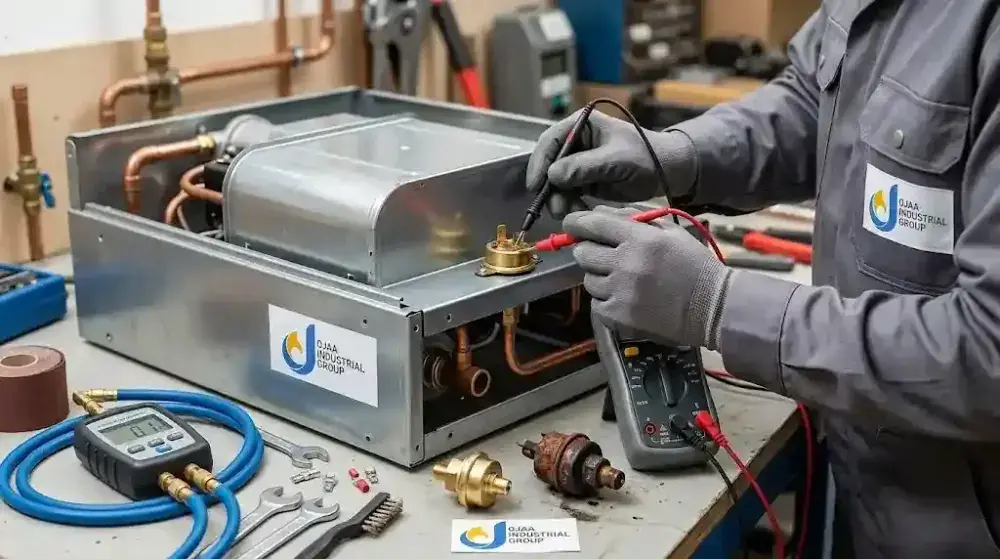
Many individuals attempt to test this sensor by applying a lighter or an industrial heat gun to it. This is a highly destructive workshop error; uncontrolled thermal shock permanently destroys the bimetallic disc's delicate calibration. To test the flue thermostat safely and to industry standards, strictly execute these steps: Preparation and Isolation: Disconnect the boiler from the mains power supply and allow the draft hood and sensor to cool completely to ambient room temperature. Detach the two wires connected to the thermostat’s terminals. Cold Continuity Test: Set your digital multimeter to the continuity (buzzer) mode and place the probes on the two sensor terminals. Because this is a Normally Closed (NC) switch, you must hear a continuous beep (zero resistance) while the component is at room temperature. Workshop Conclusion: If the sensor fails to beep while completely cold, the internal contacts have burnt out, and the component must be replaced. However, if the sensor beeps (is healthy) but the boiler still locks out after running for a few minutes, the fault is definitively caused by a blocked chimney or lack of ventilation. Replacing the sensor will not solve the issue.
Final Summary
The boiler flue thermostat (spillage switch) is the ultimate, non-negotiable safety barrier protecting families from carbon monoxide poisoning in atmospheric (open-flue) appliances. Utilizing bimetallic disc technology, this sensitive thermal switch detects the spillage of toxic exhaust gases caused by blocked chimneys or severe downdrafts, instantly breaking the circuit to shut off the burner. Bypassing the wires of a flue thermostat is an unforgivable legal violation that leads directly to asphyxiation. Furthermore, applying a direct flame or heat gun to test the component causes permanent deformation and ruins its calibration. Professional technicians verify the sensor's health exclusively via a cold continuity test using a multimeter, understanding that repeated boiler lockouts following ignition are a severe warning to resolve the building's physical chimney obstruction.