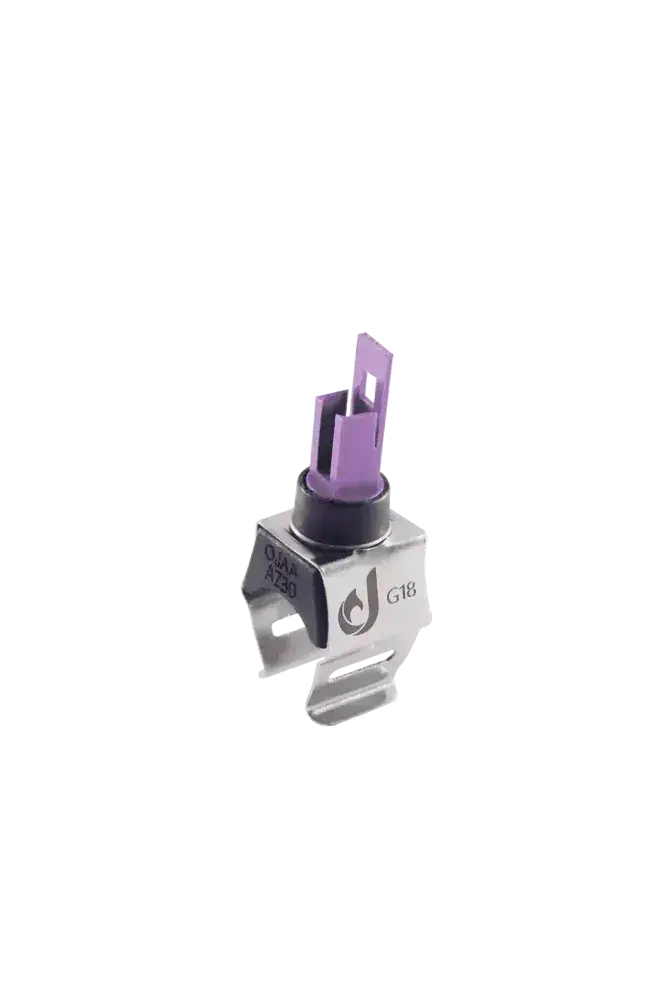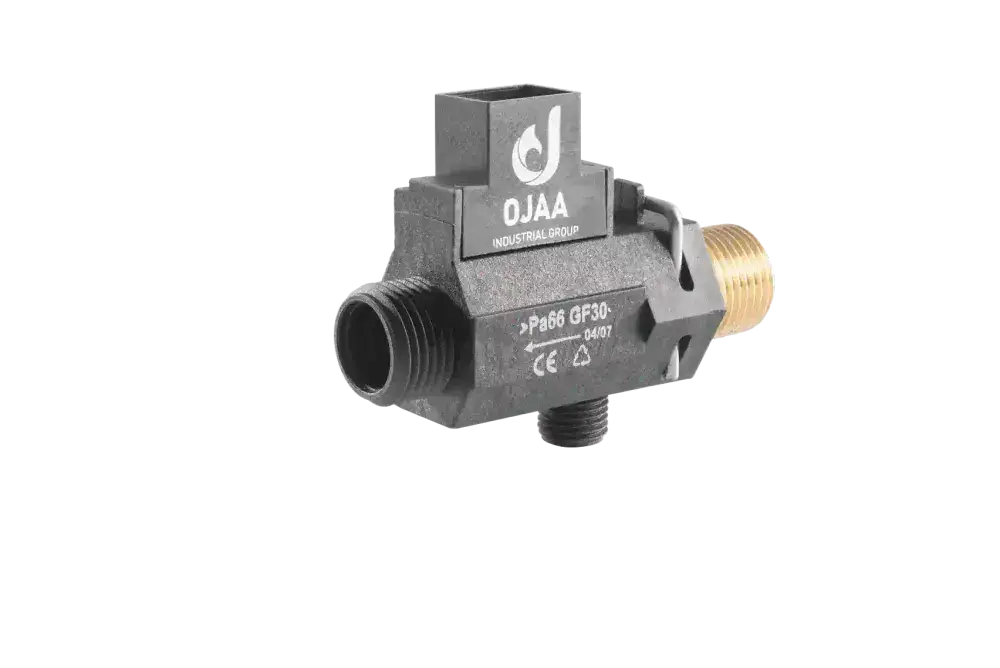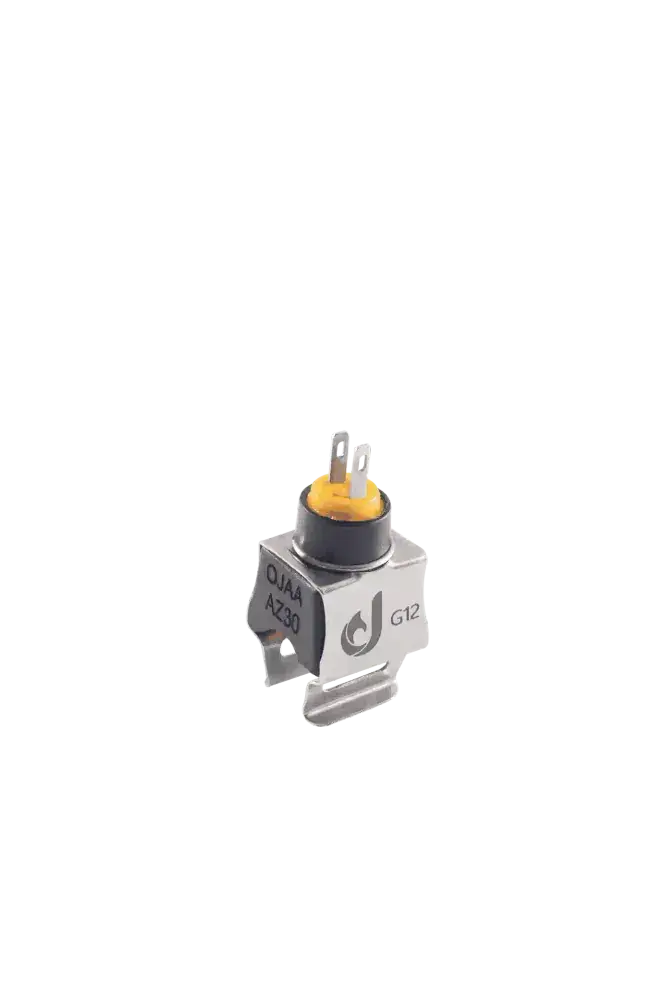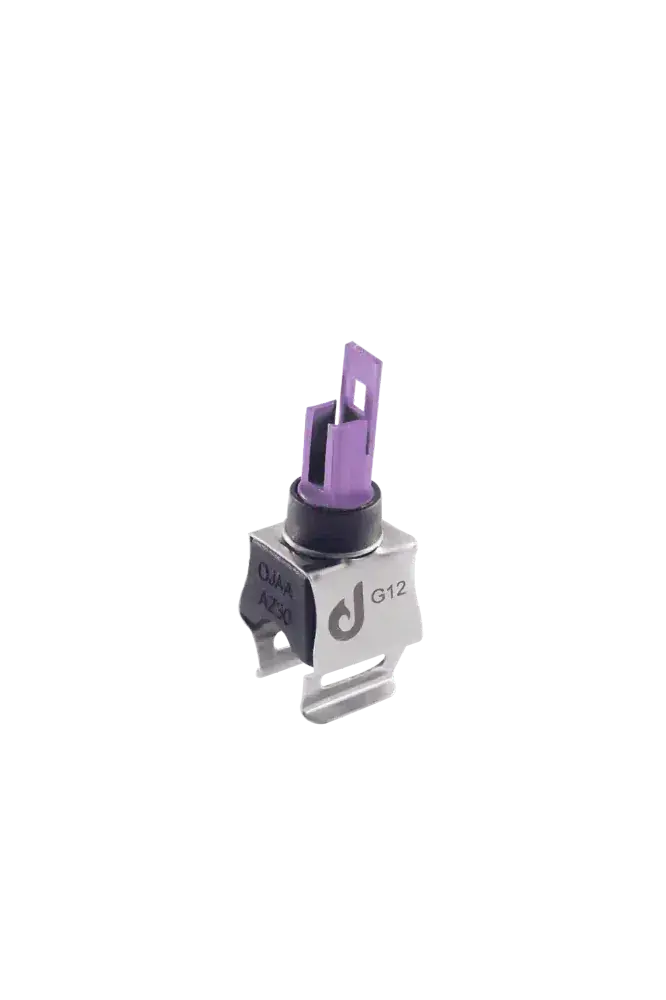
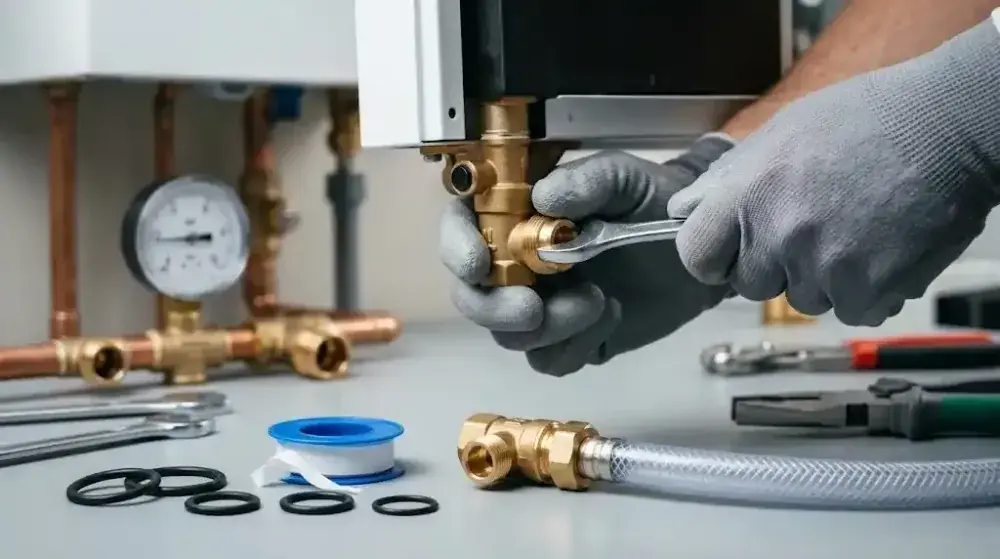
Performing any repair or maintenance work on the hydraulic blocks requires completely draining the heating circuit. The boiler drain valve serves as the only manual outlet for this purpose, playing a crucial role in preparing the appliance for component replacement. Many technicians, unfamiliar with the position and operation of this valve, attempt to drain the water by removing sensors or disconnecting pipe joints, which results in flooding the cabinet and severely damaging the control board.
What is a Boiler Drain Valve and Its Role in the Hydraulic Block?
A boiler drain valve is a small brass or plastic valve located at the lowest point of the hydraulic circuit (usually on the return path or beneath the pump). Its primary function is to safely empty the central heating water to reduce pressure to zero bar. Under normal conditions, this part must remain completely shut and hydraulically watertight. Pressure Depressurization: Before replacing components like the expansion vessel or primary heat exchanger, opening this valve to reduce pressure to zero bar is mandatory. Preventing Freezing: During long periods of inactivity in winter, draining the central heating water is necessary to prevent pipe bursts due to freezing. Circuit Flushing: This valve provides the main pathway for draining dirty water and sediment accumulated in the hydraulic block.
Diagnosing a Boiler Drain Valve Leaking and Continuous Dripping
Dripping water from underneath the boiler is frequently linked to a failure in this drain outlet's seal. Investigating a boiler drain valve leaking typically begins with inspecting its internal washers and O-rings, which wear down due to constant contact with abrasive system debris. The most common causes of this component failing include: Trapped Debris and Rust: Suspended particles and rust in the heating water often get trapped under the rubber washer during draining, preventing the valve from sealing completely when closed. Worn Adjustment Threads: Using improper tools to open or close the valve, or over-tightening the brass screw, can strip the thread (herz shodan) and deform the internal sealing washer. Degraded O-rings: EPDM O-rings on the valve body degrade, harden, and lose their elasticity over time due to high operating temperatures.
Step-by-Step Guide to Safely Draining the Boiler Circuit
Draining the central heating water must follow a specific workshop standard to prevent electrical damage and flooding. Inspecting the drain's behavior during this process serves as an informal test of its integrity. Before starting, the following safety and preparation steps are mandatory: Isolation and Cooling: Unplug the electrical supply and wait for the water temperature to drop below 40°C to eliminate scalding risks. Closing Water Inlet: Fully close the primary cold mains isolation valve to prevent fresh water from entering the system. Hose Attachment: Connect a suitable hose to the drain valve's nozzle and route the other end to a waste outlet or drain. Opening the Valve: Use an appropriate tool (usually a spanner or Allen key) to turn the drain screw anti-clockwise. To speed up the process, opening an air bleed valve on one of the radiators to allow air into the system is recommended.
Workshop Checklist for Replacing and Buying a New Drain Valve
If the drain screw is stripped or cannot be resealed due to severe scale buildup, a full replacement is the only standard solution. When sourcing and installing a new drain valve, the following points are critical: Hydraulic Block Compatibility: Drain valves are available in threaded brass or push-fit clip-secured (O-ring) models and must be selected to match the manifold design. Using Thread Tape and New O-rings: When installing a new threaded valve, applying standard PTFE tape and using new O-rings lubricated with silicone grease is essential to prevent future leaks. Avoid Over-tightening: Since the valve body is brass, avoid applying excessive torque with wrenches to prevent cracking the hydraulic manifold.
Final Summary
The boiler drain valve is an essential tool for manual pressure control and safely draining the central heating circuit during repairs. Ignoring a boiler drain valve leaking or worn adjustment threads can lead to continuous dripping under the appliance and constant pressure drops. Always isolate the power and close the inlet valves before working. If there is any wear in the seals, a complete replacement with a standard, OEM-spec component is the best solution for maintaining hydraulic system stability.