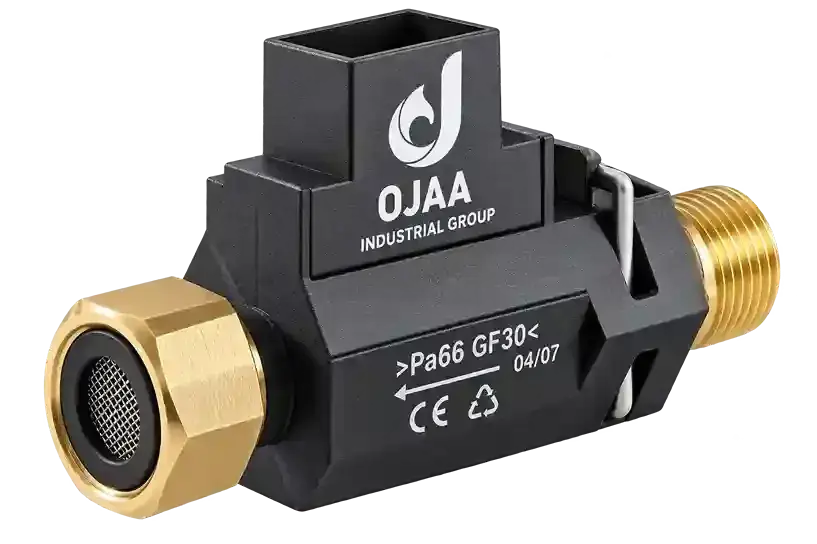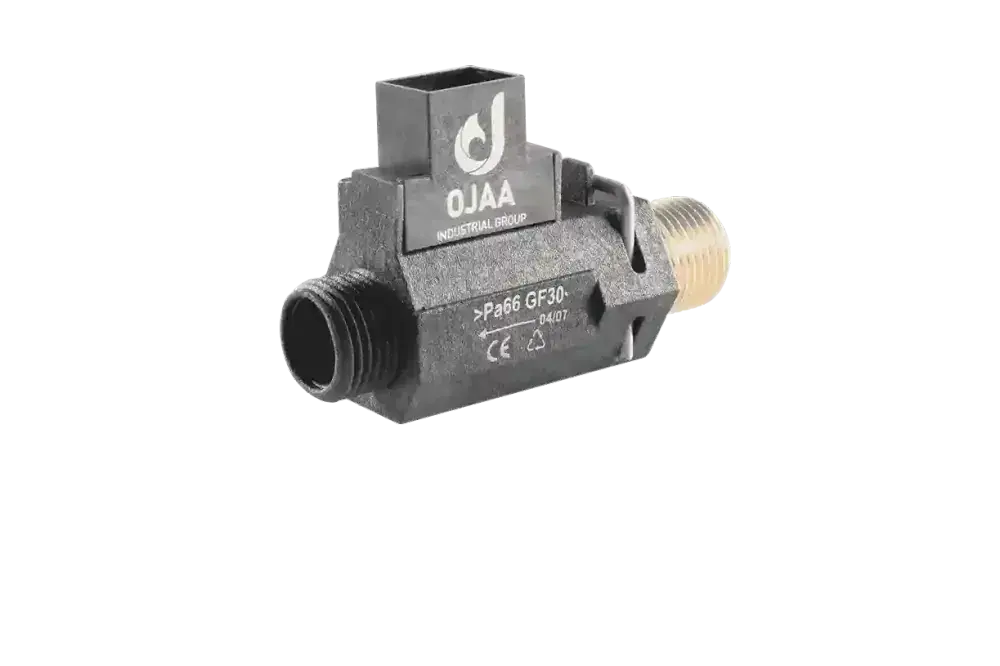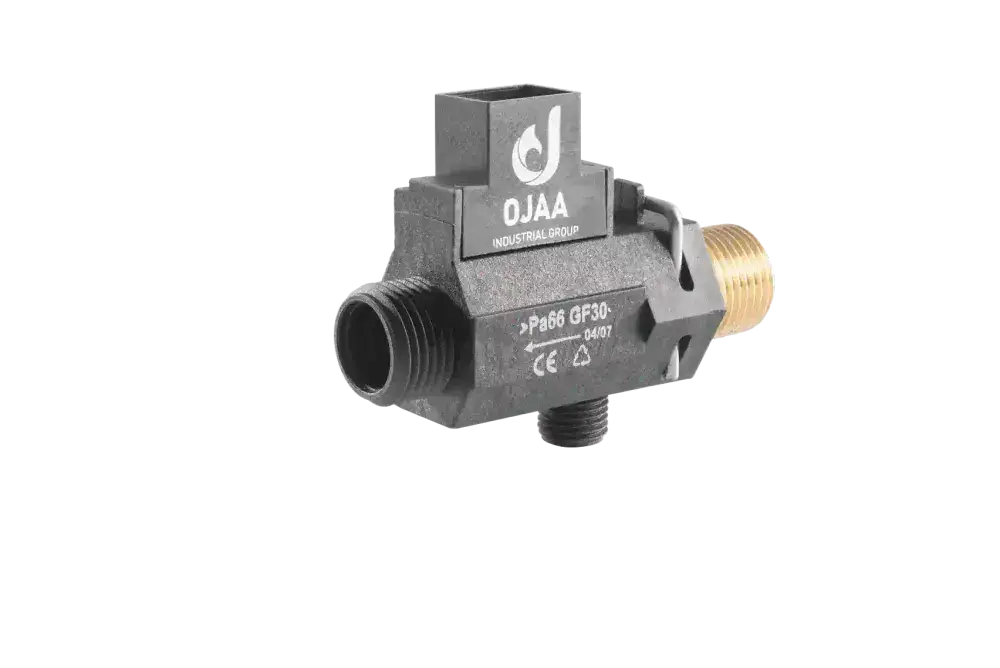
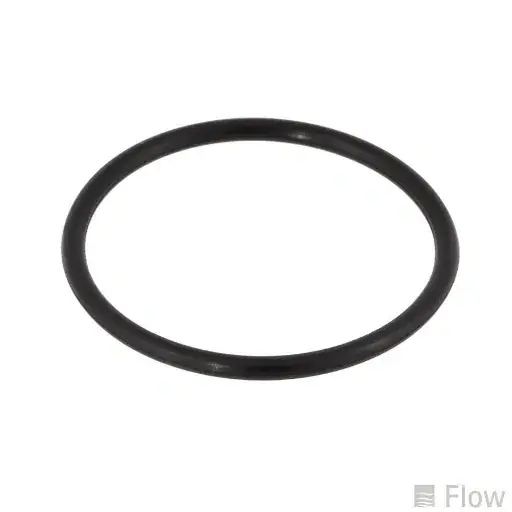
The boiler flow meter and flow switch O-ring serves as a critical elastomeric barrier within the domestic cold-water hydroblock of wall-hung combi appliances. A boiler flow meter and flow switch O-ring isolates pressurized sanitary water at the mechanical junction between the sensor body and the hydroblock manifold. Despite its compact footprint, failure of this sealing ring allows weeping leaks that migrate along wiring harnesses, corroding electrical terminals and short-circuiting sensitive printed circuit boards. Mastering certified EPDM material properties, identifying subtle weeping symptoms, and executing clean replacement protocols prevents secondary electrical failures during routine maintenance. In domestic water circuits, municipal supply pressures fluctuate across ranges extending up to several bars. Fast-closing modern lever valves generate hydraulic shockwaves known as water hammer that stress these elastomeric interfaces. The fluid seal must maintain dimensional resilience across seasonal temperature swings without experiencing extrusion or compression fatigue. This engineering guide details the technical parameters governing flow sensor O-rings and outlines safe field replacement procedures.
Operating Mechanics of Flow Component O-Rings
A flow component O-ring is a circular elastomer with a round cross-section seated within a precision radial groove machined on the composite or brass casing of a flow meter or flow switch. When the assembly is pressed into the hydroblock receiving port and locked using a retaining wire clip or union nut, the O-ring experiences controlled mechanical compression. This compression deforms the elastomer against the matching surfaces, closing microscopic air paths to prevent pressurized fluid escape. Beyond static line pressure, the O-ring must maintain contact force across continuous thermal cycles as cold municipal mains water alternates with conductive radiant heat from the boiler chassis. During production operations at OJAA Industrial Group facilities located in Abbasabad Industrial Estate, flow switch housings—including threaded union models, inline two-way bodies, and three-way manifold blocks—are manufactured with precise groove clearances to eliminate rubber pinching during insertion.
Engineering Standards for Potable Water EPDM Compounds
Standard industrial rubber must never be installed on combi boiler domestic water connections. Heating engineering standards require specialized elastomer characteristics:
- Sanitary drinking water certification: The base polymer must be certified Ethylene Propylene Diene Monomer, designated as EPDM. This compound complies with sanitary plumbing standards, releasing zero volatile toxins, odors, or plasticizers into household drinking water.
- Resistance to chlorine degradation: Municipal water supplies contain dissolved chlorine and oxidizing agents that rapidly embrittle standard rubber; the saturated molecular backbone of EPDM prevents chemical oxidation.
- Wide operating temperature boundaries: The elastomer must maintain dynamic elasticity across operating ranges spanning from minus 10 degrees to plus 100 degrees Celsius without developing surface micro-cracks.
- Low compression set: When held under constant mechanical load in hot hydraulic manifolds, the rubber must resist permanent flattening. Low compression set ensures continuous outward sealing pressure across years of service.
Standard Nitrile butadiene rubber, or NBR, designed primarily for oil and hydrocarbon fuel lines, degrades rapidly when exposed to hot chlorinated domestic water, resulting in embrittlement, hardening, and joint failure.
Clinical Symptoms of Degraded Flow Sensor O-Rings
O-ring failure in domestic flow components rarely begins as a catastrophic blowout; it typically progresses as a slow, insidious weeping leak:
- White calcium carbonate efflorescence: Escaping micro-droplets evaporate rapidly within the warm boiler casing, leaving chalky white limescale crusts around the sensor entry port.
- Weeping droplets under dynamic flow: Visual observation of water beads forming beneath the flow switch union nut or around the flow meter composite retaining clip during active tap use.
- Spring clip oxidation and mechanical thinning: Persistent moisture corrodes the spring-steel retaining clip, reducing its structural cross-section and creating a risk of blowout under line pressure.
- Green copper oxide buildup inside wiring plugs: Moisture tracking along terminal leads enters the Hall-effect IC or reed switch harness socket, causing intermittent flow sensing errors.
- Gradual hydronic pressure drop in three-way layouts: In integrated three-way flow switch assemblies connected to primary heating circuits, weeping seals cause a gradual drop on the boiler system pressure gauge.
Electrical Hazards from Hydronic Sealing Failures
The primary hazard associated with degraded flow sensor O-rings is electrical damage. In modern compact wall-hung boilers, hydraulic flow detection assemblies reside directly below the electronic control unit, circulation pump capacitor box, or primary 230V wiring looms. Escaping water droplets track along wire insulation and enter the main board enclosure. Countless electronic board failures originate not from power surges, but from neglected weeping leaks on cold-water flow sensor O-rings.
Primary Causes of Premature O-Ring Breakdown
Understanding why an O-ring fails prematurely helps technicians prevent repeat callbacks:
- Petroleum-based lubricants: Coating EPDM O-rings with standard mineral-oil grease, WD-40, or engine lubricants causes rapid hydrocarbon absorption, swelling the rubber, turning it gummy, and destroying tensile strength.
- Debris and burrs in the sealing groove: Scraping limescale out of an O-ring groove with a flathead screwdriver leaves gouges on the metal or plastic seat, allowing water to track behind the new seal.
- Incorrect cross-section or internal diameter: Fitting an undersized cross-section fails to achieve required mechanical compression, while an oversized ring gets sheared or pinched when inserted into the port.
- Over-tightening retaining hardware: Excessive torque applied to flow switch nuts distorts the seating geometry, forcing the elastomer out of its groove and causing localized extrusion tears.
Step-by-Step Guide to Safe O-Ring Replacement
Replacing an O-ring on a flow component requires strict adherence to hydronic safety procedures:
- Disconnect mains electrical supply: Unplug the appliance or open the dedicated circuit breaker to ensure zero electrical risk while handling hydraulic parts.
- Isolate the domestic cold-water supply: Shut the cold-water isolation valve feeding the boiler or close the primary building stopcock.
- Depressurize the domestic hot-water circuit: Open the lowest hot-water tap in the dwelling to dissipate static pressure and drain water remaining in the internal pipework.
- Unplug sensor electrical connections: Disengage the wiring plug from the Hall sensor or reed switch body gently without pulling the conductors.
- Release mechanical fasteners: Remove the steel retaining clip using needle-nose pliers or loosen the union nut with a correctly sized wrench.
- Extract the flow component: Pull the flow switch or flow meter axially out of its housing using a gentle twisting motion to avoid fracturing composite guide tabs.
- Discard the old O-ring and clean the groove: Remove and discard the degraded seal; never reinstall a flattened or used O-ring. Clean the groove using a microfiber cloth and plastic scraper to eliminate scale without scoring the surface.
- Apply WRAS-approved silicone grease: Lubricate a brand-new, identically sized EPDM O-ring with a light coating of 100 percent pure food-grade silicone grease. Silicone grease prevents extrusion friction during insertion and remains inert in potable water.
- Seat the component into the hydroblock: Fit the O-ring squarely into its groove, align the sensor body with its keyed port, and press it firmly into position until fully seated. Reinstall the retaining clip or tighten the union nut to manufacturer torque specifications.
- Dynamic pressure test: Slowly reopen the cold-water inlet valve to pressurize the line. Dry all joint surfaces thoroughly and cycle the hot-water tap several times. Inspect the perimeter using dry tissue paper to confirm zero leakage under active flow and static pressure.
Technician Evaluation Checklist for O-Ring Replacement
To ensure correct parts selection and durable sealing, verify these technical parameters:
- Dimension measurement: Measure the inside diameter and cross-section cord thickness using an accurate vernier caliper in millimeters.
- Material verification: Confirm certified EPDM compound rating for hot domestic water service rather than standard oil-resistant NBR.
- Surface integrity inspection: Check the new O-ring under focused light to confirm absence of flashing, parting lines, voids, or micro-cracks.
- Lubricant suitability: Use only certified pure silicone grease, completely avoiding petroleum jelly, lithium grease, or motor lubricants.
- Component housing condition: Inspect the composite flow meter body for hairline cracks caused by frost or hydraulic pressure spikes.
Final Summary
The O-ring on a boiler flow meter or flow switch serves as a critical barrier between high-pressure sanitary water and sensitive electronics. Overlooking slight weeping leaks leads directly to terminal corrosion, retaining clip failure, and expensive control board short circuits. Installing certified EPDM replacements, cleaning sealing seats thoroughly, and applying pure silicone grease guarantees long-term leak-free operation and protects the combi boiler hydronic and electrical infrastructure.