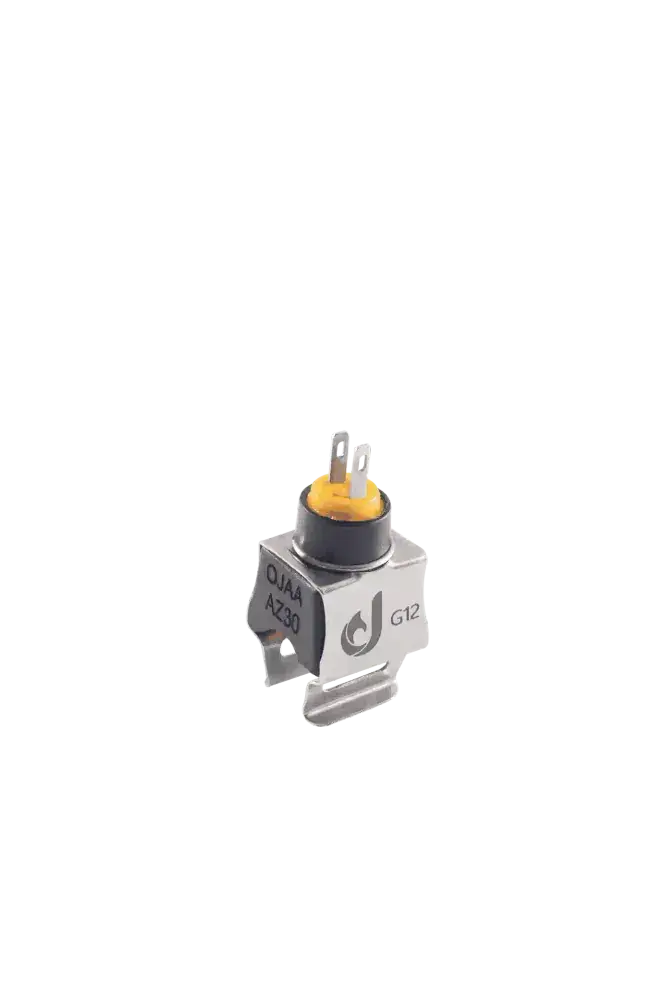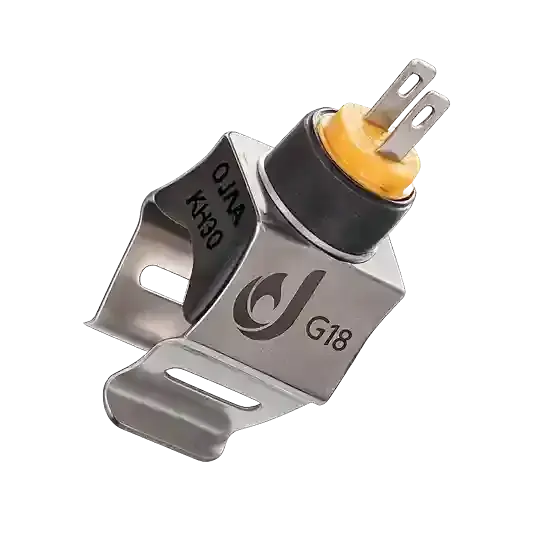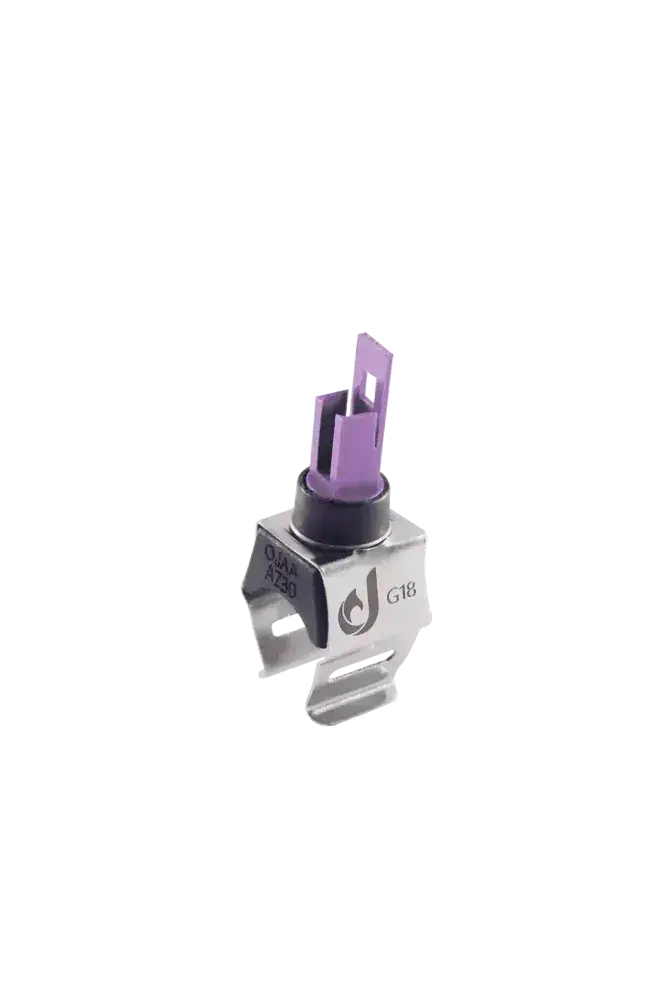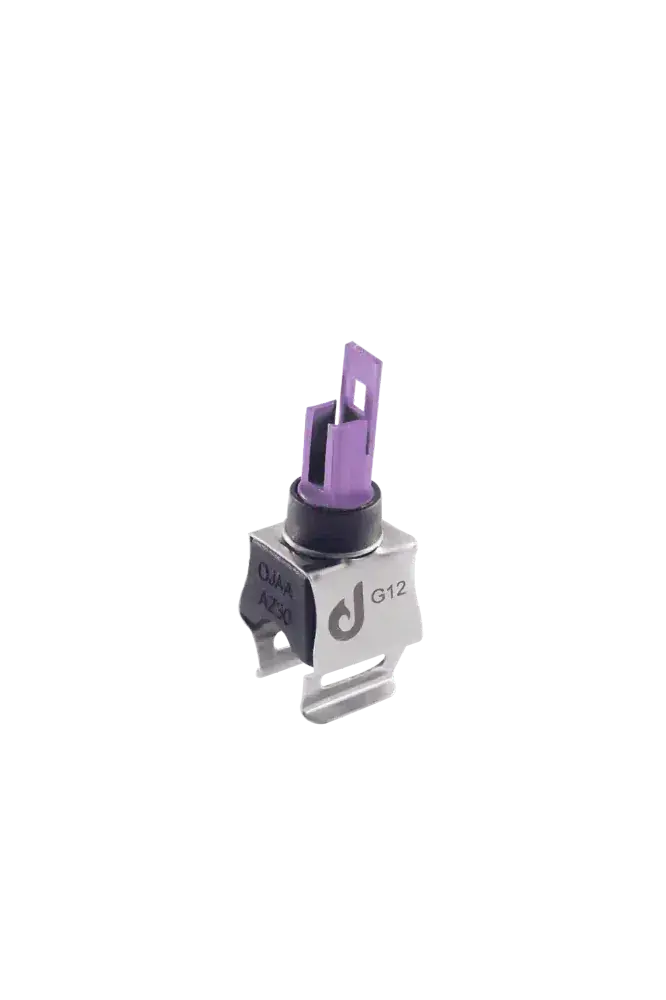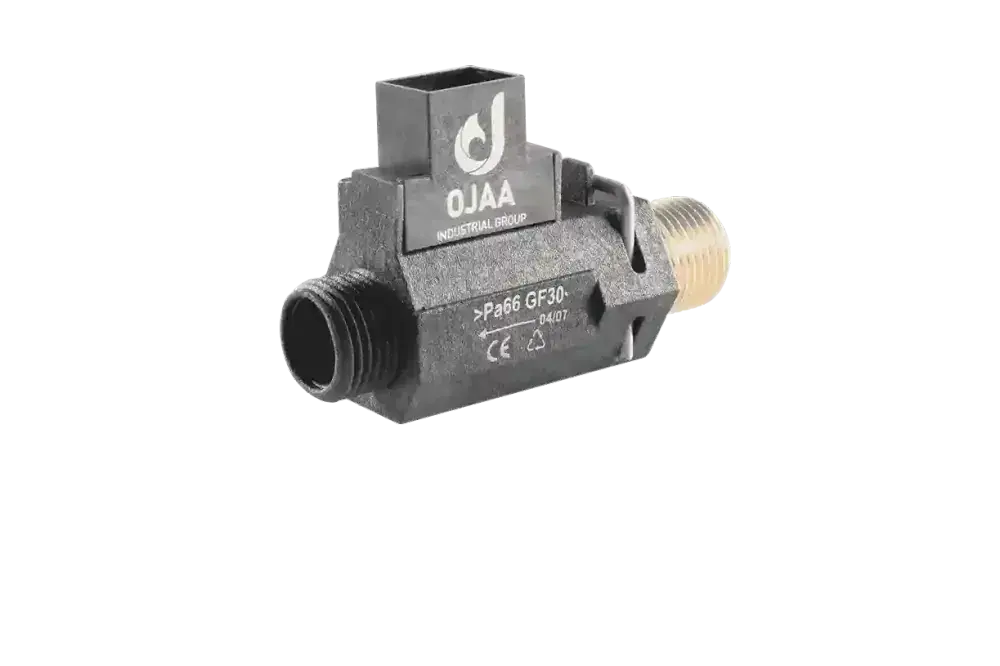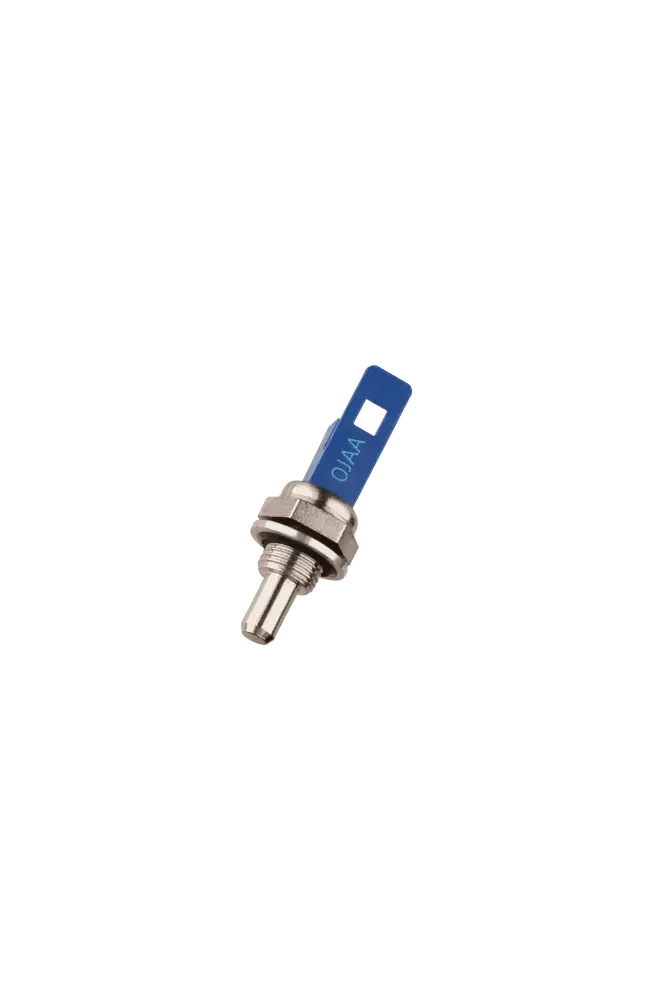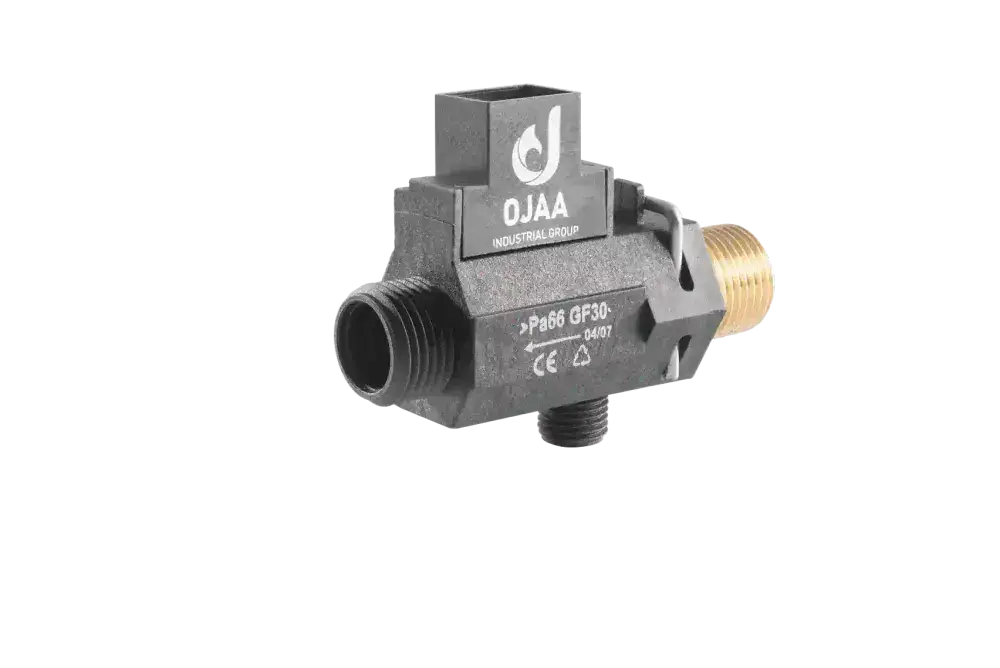
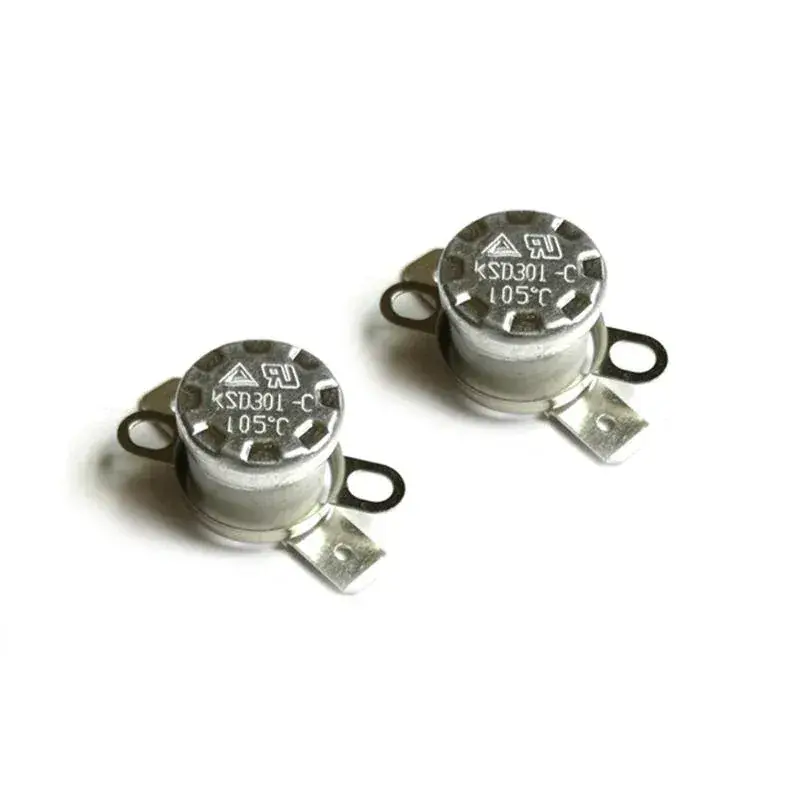
A boiler high-limit thermostat serves as the ultimate line of hardware defense against catastrophic thermal runaway in wall-hung combi heating appliances. A boiler high-limit thermostat operates not as a continuous measurement instrument, but as a dedicated, normally closed electromechanical switch wired directly into the boiler safety interlock loop. Positioned against the copper flow pipe of the primary heat exchanger, its singular purpose is to interrupt power to the gas valve when circulating fluid temperatures breach critical safety thresholds between 102°C and 105°C. In field servicing, technicians often misdiagnose overheat lockouts by confusing safety thermostat trips with thermistor modulation drift. Understanding the physical mechanics of bimetallic snap-action contacts, distinguishing primary circulation failures from genuine sensor faults, and executing structured electrical diagnostics prevents severe appliance damage and eliminates safety risks.
Operating Mechanics of Bimetallic High-Limit Thermostats
The core sensing element of a boiler high-limit thermostat is a precision-calibrated bimetallic disc. This component comprises two bonded metallic layers exhibiting disparate thermal expansion coefficients. Under normal hydronic operating conditions below 90°C, the disc maintains a concave mechanical profile, holding dual internal contact terminals firmly closed to preserve electrical continuity. When localized temperatures climb toward the critical 105°C setpoint, differential thermal expansion forces the bimetal disc through an instantaneous mechanical inversion known as snap action. This sudden mechanical deflection forces the electrical contact points apart, severing the low-voltage circuit to the gas valve modulating coil within milliseconds. In auto-reset models, cooling below a reset differential—typically around 80°C to 85°C—allows the disc to snap back to its resting state, restoring circuit continuity once thermal safety is re-established. During engineering evaluations conducted at OJAA Industrial Group testing laboratories in Abbasabad Industrial Estate, thermal paste application and mounting spring clip retention proved vital in ensuring rapid heat transfer from the copper conduit to the bimetal housing.
Technical Distinction: High-Limit Thermostats vs. NTC Sensors
Distinguishing between safety cutoffs and analog temperature sensors is essential for accurate boiler diagnostics: Electrical output architecture: An NTC thermistor is an analog variable resistor whose resistance shifts continuously along a logarithmic curve; a high-limit thermostat is an electromechanical on-off switch providing binary open or closed continuity. Operational priority: NTC sensors supply temperature telemetry to modulate burner firing rates and regulate radiator comfort; high-limit thermostats remain passive until emergency temperatures require immediate burner shutdown. Circuit interlock hierarchy: An NTC fault generates software sensor error codes; opening a high-limit switch initiates a hard hardware safety shutdown that isolates fuel delivery directly. Component interchangeability: These two devices cannot substitute for one another; attempting to replace a safety cutoff with a resistive sensor defeats appliance safety certifications.
Diagnostic Symptoms of Tripped and Defective Limit Thermostats
Recognizing symptoms generated by the high-limit safety loop accelerates fault isolation during maintenance: Hard lockouts requiring manual reset: The appliance shuts down violently during a heating cycle and displays dedicated overheat fault codes, refusing to fire until manually cleared. Refusal to ignite from a cold start: If the internal bimetal disc is fractured or electrical contacts have suffered arcing damage, the switch remains permanently open, generating continuous overheat errors even when the boiler is at ambient room temperature. Uncontrolled boiling without burner cutoff: The most hazardous failure occurs when electrical contacts weld shut due to electrical surges; the burner continues firing unchecked through fluid boiling points, requiring emergency manual power disconnection. Intermittent lockouts under high thermal loads: Thermal fatigue causes the bimetal disc calibration to drift downward, opening prematurely at normal operating temperatures such as 80°C.
Root Causes of Boiler Overheat Conditions
In the vast majority of service interventions, an activated high-limit thermostat indicates a genuine hydronic circulation emergency rather than a component defect: Circulation pump seizure or failure: If the pump impeller jams with magnetite or its starting capacitor fails, primary water ceases moving; the captive water inside the heat exchanger flashes to steam in seconds. Trapped air pockets in the primary circuit: Air exhibits poor thermal capacity compared to water; air bubbles trapped inside the heat exchanger prevent heat transfer, causing localized hot spots that trip the thermostat. Limescale accumulation inside the heat exchanger: Heavy mineral scale acts as a thermal barrier, driving metal wall temperatures beyond 105°C even while bulk water appears cool. Closed isolation valves or blocked return strainers: Zero fluid velocity starves the combustion chamber of cooling flow, tripping safety cutoffs instantly upon burner ignition.
Step-by-Step Multimeter Diagnostics
Verifying the integrity of a high-limit thermostat requires cold continuity checks and dynamic thermal verification: Isolate mains electrical power: Disconnect the appliance from mains voltage to eliminate electrical shock hazards. Unplug wiring terminals: Slide the female spade connectors off the two sensor terminals to eliminate stray feedback loops from control board circuitry. Configure the digital multimeter: Set the selector to the continuity beeper or lowest resistance ohms scale. Cold baseline verification: Connect meter leads across the sensor terminals. At ambient temperatures below 80°C, the meter must emit an uninterrupted continuity tone, reading less than 0. 5 ohms. An open circuit confirms the switch has failed or tripped. Dynamic thermal cutoff test: Remove the sensor from the pipe and apply controlled indirect hot air to the contact face while monitoring resistance; the switch must trip with an audible click, instantly dropping to infinite resistance as the temperature passes 105°C.
The Severe Hazards of Jumpering High-Limit Thermostats
Bypassing, shorting, or installing jumper wires across high-limit thermostat leads is an illegal and extremely dangerous practice. This safety switch prevents catastrophic steam explosions, primary heat exchanger melting, and toxic fumes resulting from combustion chamber incineration. Operating a combi boiler with a bypassed limit switch eliminates dry-fire protection; if a pump fails, the captive water will boil violently, breaching hydroblock joints and creating severe scalding and fire hazards.
Technician Evaluation Checklist for Replacement
Before sourcing and fitting a replacement high-limit thermostat, review these engineering parameters: Calibrated trip temperature: Verify the precise cutoff temperature stamped on the casing, typically 102°C, 105°C, or 110°C per manufacturer manuals. Reset mechanism profile: Confirm whether the application requires automatic thermal recovery or a manual push-button reset. Terminal format compatibility: Match standard 6. 3 mm flat blade spade terminals to the existing harness connectors. Mechanical mounting geometry: Verify spring clip diameters for G12 or G18 pipework or threaded screw mounts. Thermal interface preparation: Clean the copper pipe surface thoroughly and apply fresh, zinc-oxide thermal conductive paste before securing the replacement sensor.
Final Summary
A boiler high-limit thermostat represents the primary fail-safe safeguard protecting wall-hung heating systems from catastrophic over-temperature events. Clear differentiation from modulating NTC thermistors, rigorous multimeter continuity testing, and systematic elimination of underlying hydronic circulation failures prevents repeat component breakdowns and maintains uncompromised heating safety.