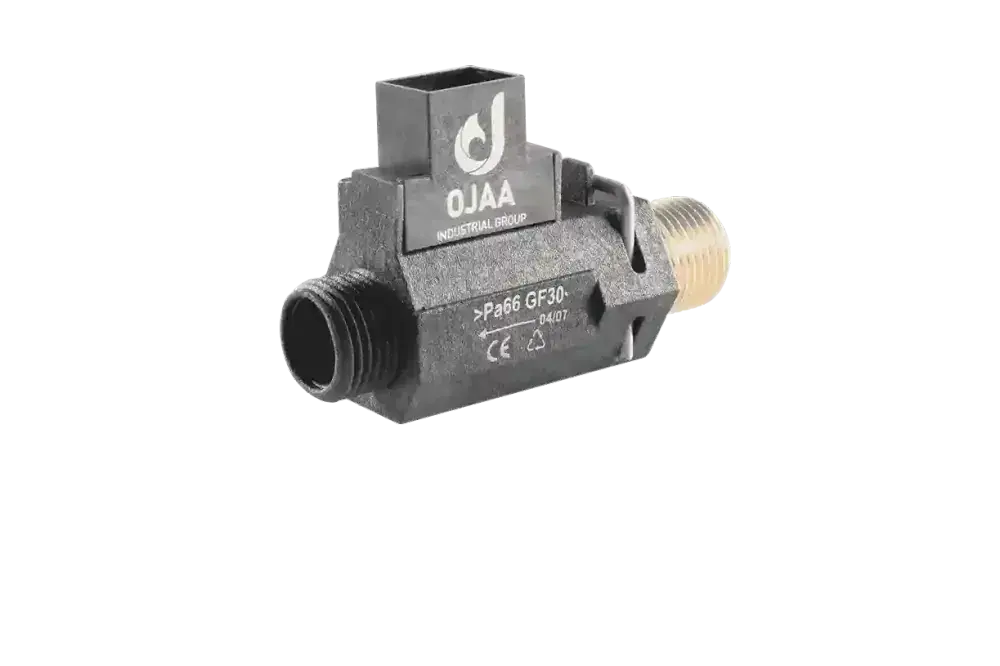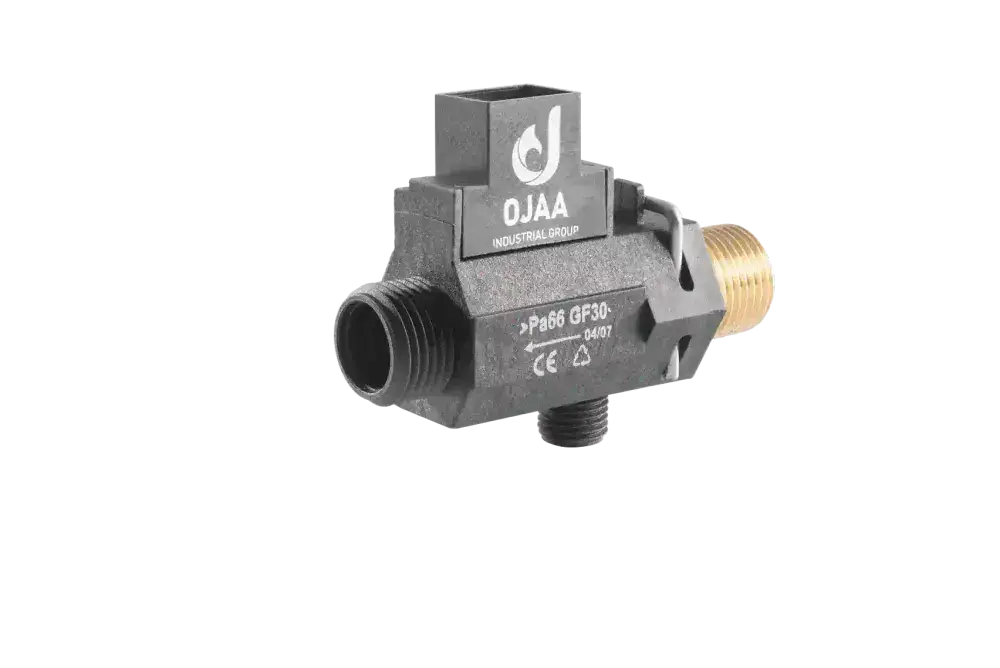
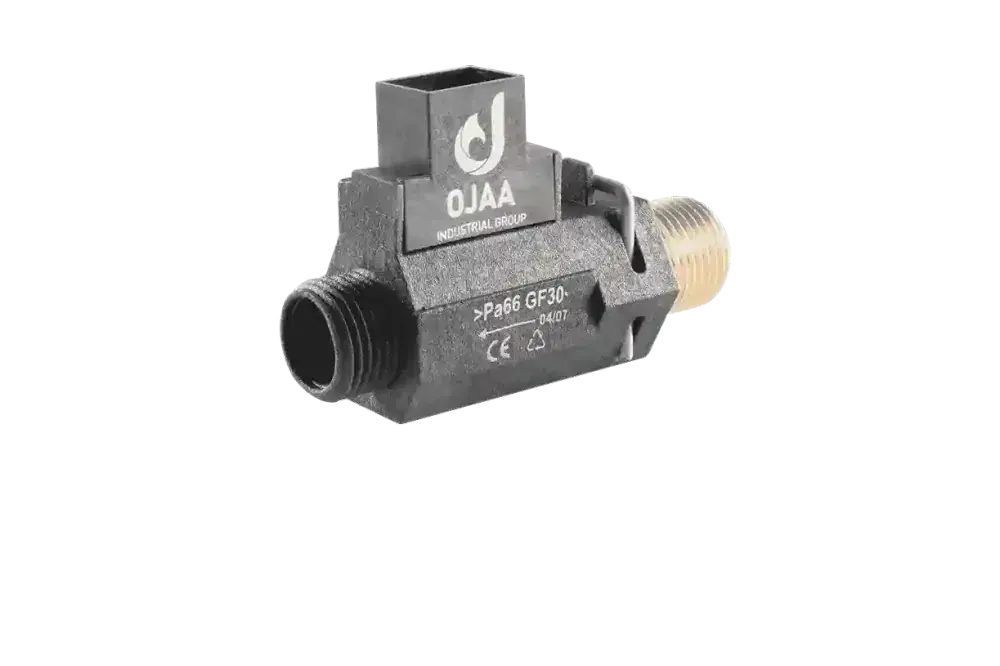
Understanding the engineering difference between a boiler 2-way vs. 3-way flow switch is a critical requirement in combi boiler hydraulic design and spare parts sourcing. The primary distinction between a boiler 2-way vs. 3-way flow switch lies in fluid port routing, filling loop integration, and mechanical coupling to the secondary heat exchanger: an inline 2-way flow switch features a direct single-entry and single-exit fluid conduit dedicated strictly to domestic water detection, whereas a 3-way flow switch incorporates a third specialized hydraulic port designed to interface directly with the manual boiler filling valve. During hydronic maintenance, service technicians frequently misjudge these body castings, purchasing incorrect replacements that lack the necessary ports for primary heating loop pressurization. Understanding the mechanical differences between inline two-way models, integrated three-way manifolds, and threaded union variants prevents expensive procurement errors. This technical guide examines hydraulic geometries, clinical failure symptoms, and structured field selection criteria.
Operating Principles of 2-Way Combi Boiler Flow Switches
An inline 2-way flow switch represents the simplest and most robust mechanical configuration for domestic flow detection in heating appliances. The housing comprises two coaxial or 90-degree hydraulic ports: a cold municipal water inlet and a direct discharge port feeding the secondary plate heat exchanger. Within this direct fluid passage, water enters the base of the chamber, lifts a magnetic polymer shuttle against an internal guide, and exits into the appliance waterway. Combi boilers utilizing two-way flow switches rely on a completely separate, independent brass filling loop assembly mounted elsewhere along the hydroblock manifold. These sensors commonly couple to copper conduits using standard 1/2-inch union nuts or push-fit retaining spring clips. Manufactured at OJAA Industrial Group production facilities in Abbasabad Industrial Estate, the 2-way inline flow switch (model OJ-F2) is molded from high-tensile glass-reinforced polymers engineered to resist cyclic hydraulic pressure spikes and water hammer without fracturing.
Operating Principles of 3-Way Combi Boiler Flow Switches
A 3-way flow switch is a multi-port hydraulic module engineered to combine sanitary flow detection and primary circuit replenishment within a single compact composite casting. The body incorporates three distinct ports: Primary sanitary inlet port: Receives cold, high-pressure water from the building supply lines. Secondary heat exchanger discharge port: Routes moving water upward into the plate heat exchanger once flow is established. Auxiliary filling loop port: A dedicated threaded or clip-retained port mating directly to the manual heating system filling valve. When primary central heating pressure drops, the user opens the integrated filling valve; cold sanitary water passes through the auxiliary third port of the flow switch directly into the closed radiator loop. This consolidated hydroblock architecture eliminates external interconnecting copper tubing, reducing potential leak paths beneath the boiler chassis. OJAA manufactures this consolidated component under part code OJ-F3, utilizing precision-machined internal valve seats to ensure that repeated actuation of the filling valve causes zero mechanical distortion to the main housing.
The Role of Threaded Union-Nut Flow Switches (OJ-FM)
In addition to push-fit clip manifolds, threaded union-nut flow switches represent a critical segment in the heating aftermarket: Swivel Brass Union Nut Architecture: Equipped with a free-spinning 1/2-inch female brass union nut at the inlet, this configuration threads directly onto building plumbing tails. Rapid Maintenance in Confined Chassis: The swivel nut enables technicians to disconnect and extract the flow switch during descaling without twisting rigid copper pipes or dismantling adjacent pump assemblies. OJAA supplies this robust threaded configuration under model code OJ-FM, fitted with commercial-grade EPDM flat sealing washers.
Engineering Comparison: 2-Way vs. 3-Way Flow Switches
Core technical differences between these two hydraulic platforms encompass several parameters: Hydraulic conduit layout: A 2-way switch directs fluid strictly through an isolated linear path; a 3-way switch bridges the domestic sanitary line with the primary radiator loop. Filling valve integration: 2-way platforms require a standalone filling valve assembly; 3-way platforms integrate the valve seat directly into the sensor casting. Physical volume and hydroblock footprint: 3-way switches are larger and heavier, occupying extensive space within the right-hand hydroblock; 2-way switches feature a compact, low-profile footprint. Sealing interfaces: 2-way designs utilize two primary O-ring seals; 3-way designs incorporate three or four critical sealing junctions, increasing potential leak points. Diagnostic complexity: In 2-way switches, fluid weeping affects only the domestic circuit; in 3-way switches, a failing internal filling valve seat causes uncontrolled central heating over-pressurization.
Can a 2-Way Flow Switch Replace a 3-Way Unit?
From a hydronic and installation standpoint, the answer is virtually always no. These two components represent non-interchangeable manifold castings. If an appliance is engineered around a 3-way flow switch, installing a 2-way body leaves the technician with no physical port to mount the boiler filling valve, rendering primary loop pressurization impossible. Substitution is feasible only if the heating system features an external, pipework-mounted filling loop and the redundant third port is capped with a pressure-rated blanking plug. Maintaining original factory hydroblock specifications remains standard engineering protocol.
Distinct Failure Modes: 2-Way vs. 3-Way Architectures
Operational failures manifest differently across these two physical configurations: 2-Way Flow Switch Failures: Failure to fire during tap demand caused by limescale immobilizing the internal shuttle. Runaway heating after tap closure resulting from a shuttle jammed at the apex of its stroke. External hydroblock weeping caused by cracked composite union flanges following winter freeze events. 3-Way Flow Switch Failures: Chronic central heating over-pressurization beyond 2. 5 bar, triggering safety valve discharge due to a worn filling valve seat within the third port. Mechanical fracture of the auxiliary filling port neck caused by over-torquing the manual valve stem. Cross-circuit fluid migration between sanitary water and primary radiator circuits caused by internal manifold cracking.
Technician Evaluation Checklist for Component Selection
Before ordering a replacement flow switch, verify these technical parameters: Port count verification: Confirm whether the application requires a simple 2-way linear body or a 3-way manifold with a filling valve branch. Connection architecture: Verify 1/2-inch swivel union nuts (OJ-FM), external male threads, or quick-release push-fit retaining clips. Vertical mounting orientation: Ensure the replacement is installed vertically; gravity-assisted magnetic shuttles stick if tilted off-axis. External reed switch integrity: Confirm that the dry-contact reed switch housing clips securely into its external bracket without play. Elastomeric seal renewal: Install fresh WRAS-rated EPDM O-rings lubricated with food-grade pure silicone grease across all hydraulic ports.
Final Summary
The difference between a boiler 2-way vs. 3-way flow switch defines hydraulic routing and system replenishment in wall-hung combi appliances. Inline 2-way switches provide durable, dedicated sanitary flow sensing, while 3-way configurations consolidate the filling valve into a single composite hydroblock. Identifying port arrangements, verifying filling loop connections, and matching mechanical union specifications prevents costly installation errors and ensures reliable domestic hot-water performance.