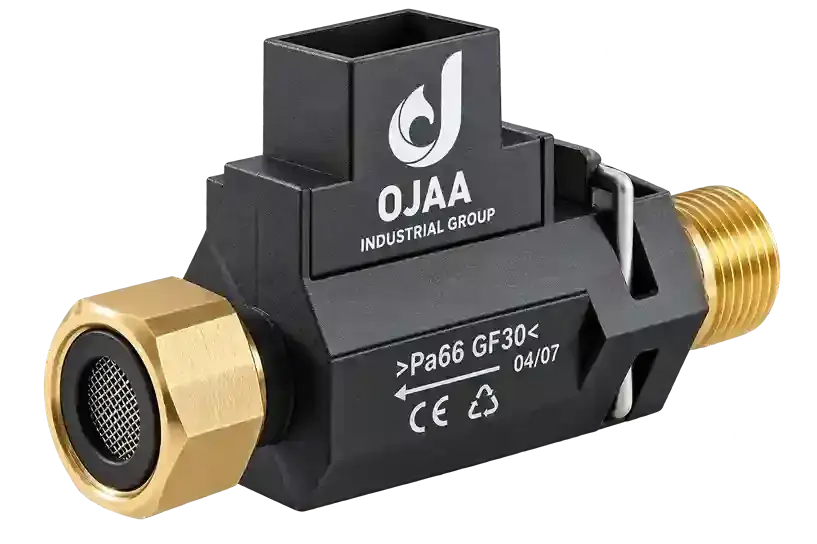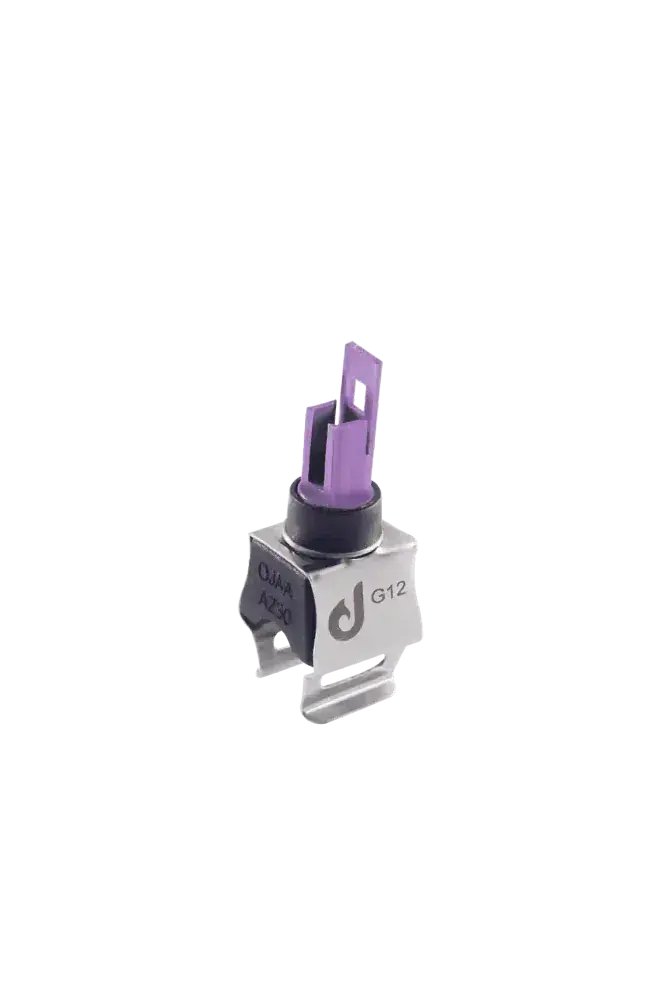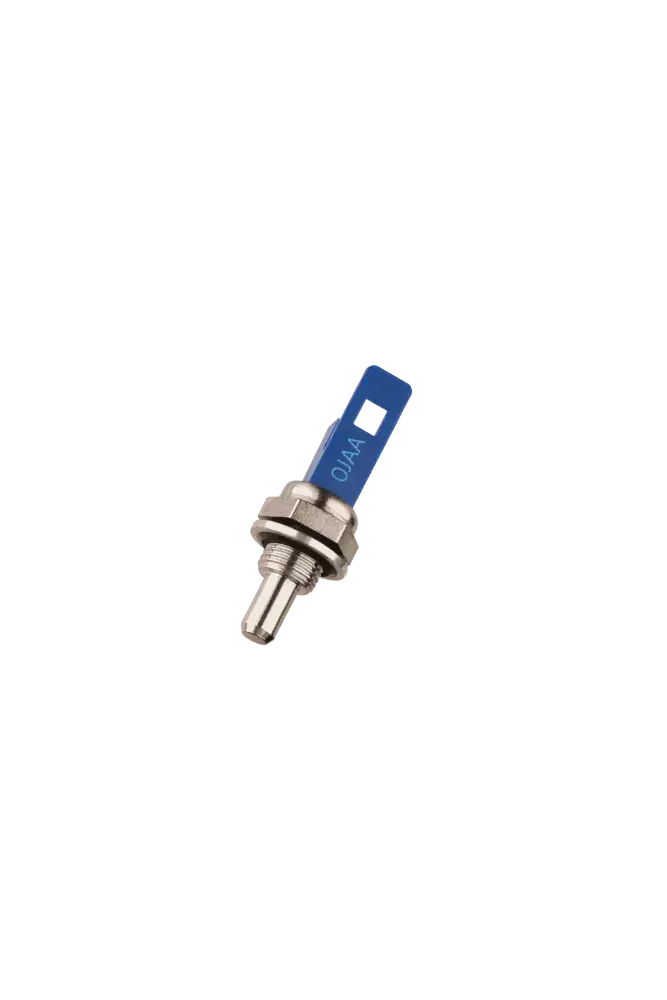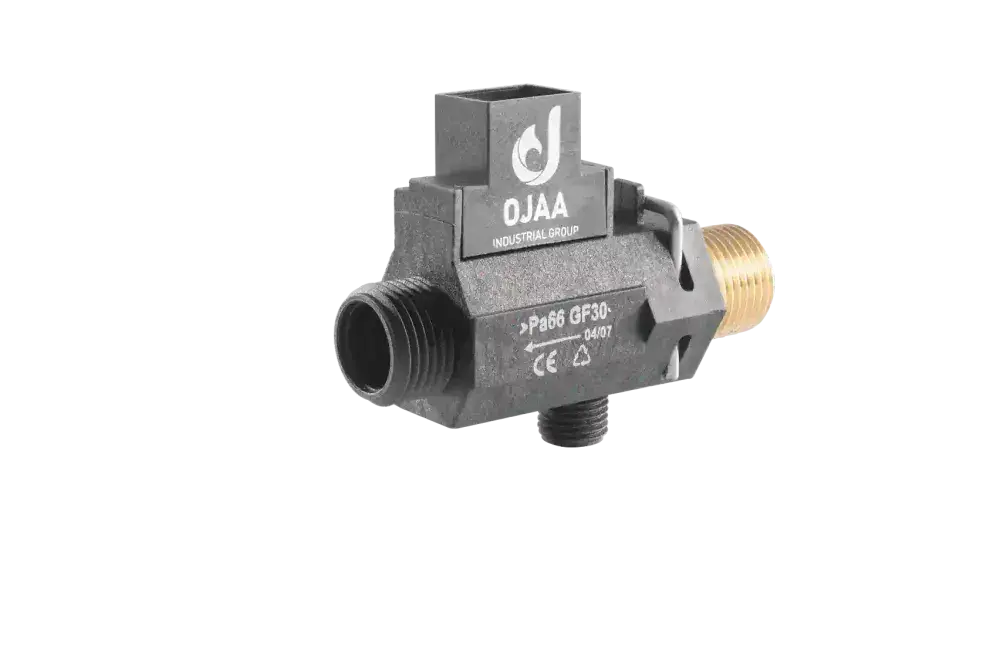
The presence of trapped air in a closed central heating circuit is one of the most destructive factors that severely degrades boiler thermal efficiency. To combat this, hydraulic block designers incorporate a smart component known as the boiler automatic air vent (AAV). This small yet critical valve automatically purges trapped air bubbles from the system, preventing catastrophic damage to the circulation pump. Understanding how this valve works and why it leaks is essential for preventing constant radiator air-locks.
What is a Boiler Automatic Air Vent and How Does it Work?
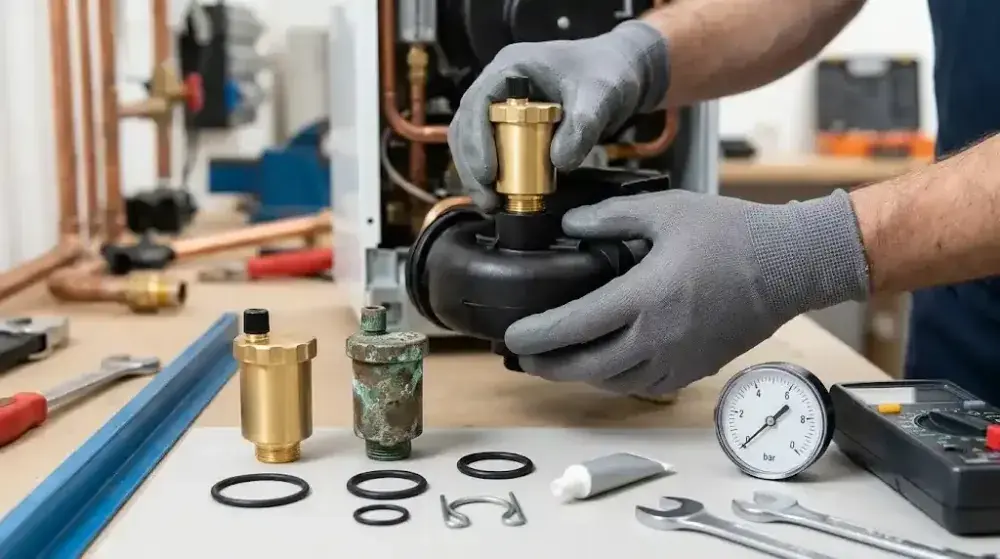
A boiler automatic air vent is a mechanical valve equipped with an internal float, typically mounted directly onto the circulation pump's volute or at the highest point of the hydraulic manifold. Its primary mandate is the continuous and automatic purging of gas and air trapped within the heating circuit. The mechanism of this boiler air release valve is designed entirely around the physics of fluid buoyancy. Teflon Float Structure: Inside the brass or composite chamber sits a lightweight float. When the chamber is completely full of water, the float rises, pushing a pin to firmly seal the exhaust valve. Purging Air Bubbles: As air enters the chamber, it displaces the water. The float drops, pulling the pin down and opening the valve to release the accumulated air through the top cap. The Adjustment Cap: There is a small plastic dust cap (similar to a tire valve cap) on top of the AAV. During normal operation, this cap must always be left slightly loose to allow air to escape.
Diagnosing an Auto Air Vent Leaking and Dripping Water
One of the most frequent faults technicians face is water continuously dripping from the top cap of this component. Diagnosing an auto air vent leaking usually points back to poor system water quality and heavy suspended debris. If water escapes from this valve instead of air, the internal sealing mechanism has fundamentally failed. Seized Internal Float: The accumulation of black sludge and limescale inside the chamber prevents the plastic float from moving freely. The float gets stuck in the lowered position, allowing water to spray directly out of the valve. Worn Valve Spindle: Microscopic rust particles from the radiators can lodge themselves between the sealing pin and its seat, preventing the valve from closing fully watertight. The Danger of Capping: Some homeowners attempt to stop a leak by tightly screwing down the plastic cap. This highly dangerous practice traps all air inside the system, leading to severe pump damage.
Trapped Air, Cavitation, and Boiler Making Knocking Noise
The failure of the AAV rapidly manifests as abnormal, loud noises and a severe drop in heat transfer. When the air release valve cannot purge the circuit, large air bubbles get sucked into the pump's spinning impeller chamber. This phenomenon causes destructive hydraulic side effects for the entire heating system. Pump Cavitation: Air bubbles violently collapse against the spinning pump impeller. This creates a severe boiler making knocking noise, which sounds exactly like gravel or pebbles rattling inside the pump. Half-Cold Radiators: Trapped air naturally accumulates at the highest points of the system (the top of the radiators), preventing hot water from entering, resulting in radiators that are cold at the top and hot at the bottom. System Oxidation: The continuous presence of oxygen in the heating water exponentially accelerates the rusting of steel pipes and panel radiators.
Safe Workshop Steps for Replacing Boiler AAV and Bleeding
Automatic air vents are sealed, non-serviceable units. If flushing the chamber fails to resolve a persistent leak, replacing boiler AAV components is the only standard solution. This replacement requires careful attention to the pump manifold connections. To execute a safe and professional service, follow these strict workshop protocols: Depressurize the System: Before touching any components, isolate the electrical supply and drain the central heating water using the manual drain valve until the pressure gauge reads zero bar. Extracting the Faulty Part: The AAV is usually secured to the pump housing via a metal retaining clip (U-clip) or a threaded connection. Carefully extract the component and remove the old, degraded O-ring. Installation and Bleeding: Install the brand-new AAV using a fresh EPDM O-ring lubricated with silicone grease. After repressurizing the system, properly bleeding boiler pump air is completed by leaving the AAV's top cap loose and briefly opening the pump's central brass screw.
Final Summary
The boiler automatic air vent is the silent guardian of the hydraulic system, defending it against destructive air bubbles. Issues such as pump cavitation, a boiler making knocking noise, and cold radiators are directly linked to the failure of this component. If you encounter an auto air vent leaking water, the internal float mechanism is severely scaled. Never screw the plastic cap tightly shut to stop a leak; instead, the faulty valve must be replaced after depressurizing the system to ensure correct bleeding and optimal system performance.