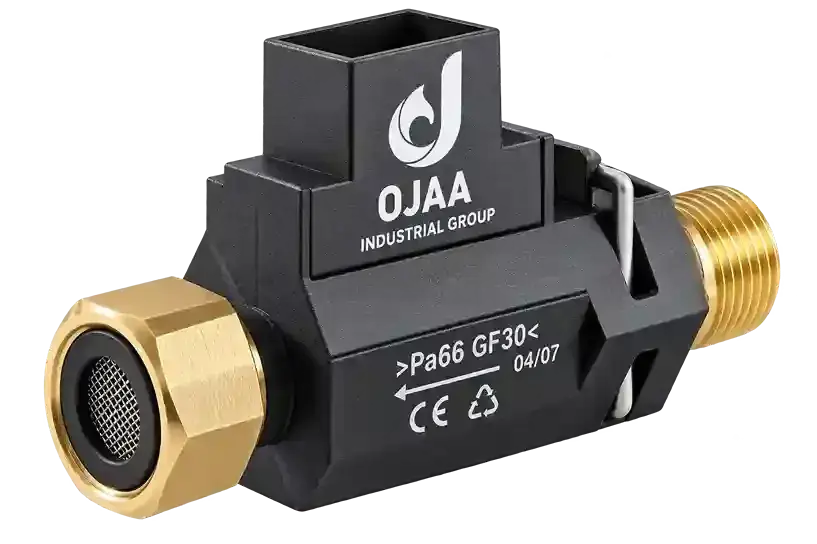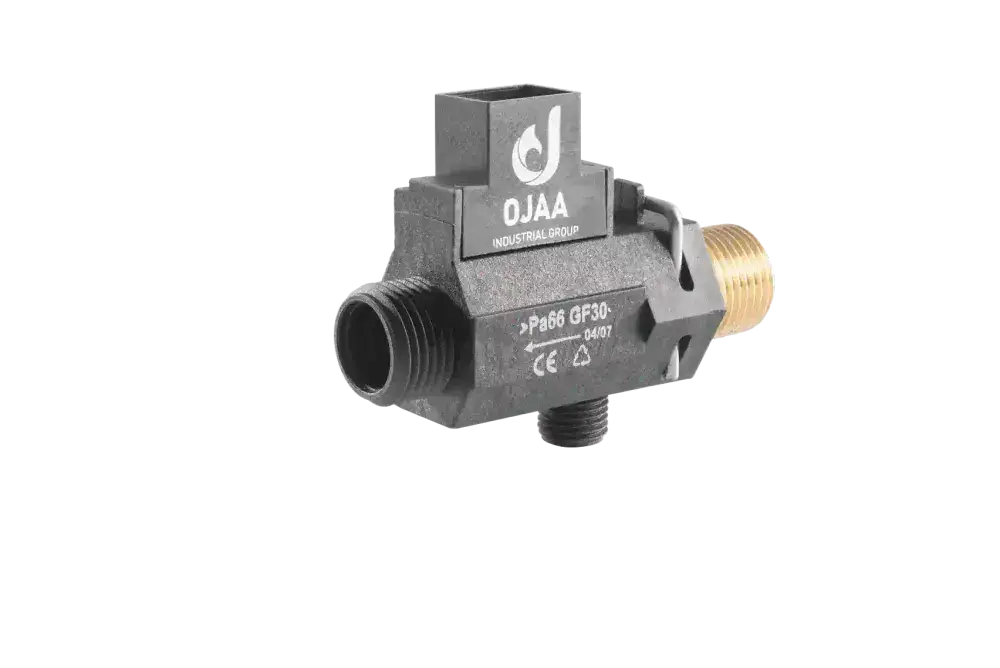
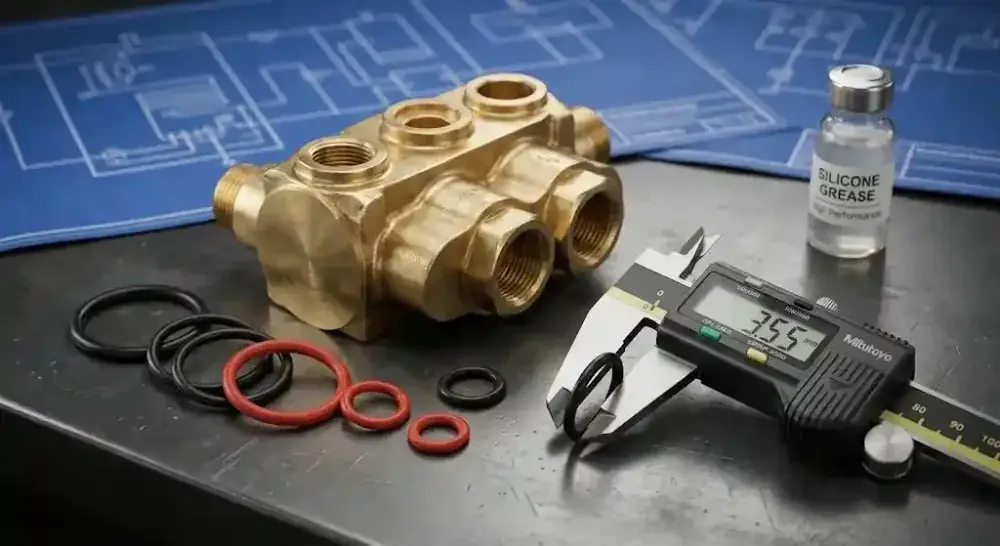
A boiler O-ring is a highly sensitive polymer seal essential for waterproofing hydraulic connections, the plate heat exchanger, and the circulator pump. Selecting the precise material and size for this circular gasket is necessary to prevent continuous pressure drops and ensure the safety of electronic components. Utilizing generic elastomers in heating systems leads to rapid polymer degradation and hidden leaks within the brass block due to extreme temperatures.
What is a Boiler O-ring and Its Function in the System?
A boiler O-ring is a mechanical gasket with a circular cross-section, engineered to withstand the dynamic pressures and high temperatures of the water circuit. Unlike standard flat washers, this component blocks fluid escape routes completely by elastically deforming inside the grooves of hydraulic fittings. The primary application of this component is in pressurized connection points such as the pump housing, flow and return blocks, and immersion sensor mounts. Vibration Absorption: The elastomer dampens micro-vibrations generated by the operation of the circulator pump. Static Pressure Tolerance: By completely filling the clearance between brass or polymer parts, it prevents moisture from reaching the wiring harness. Thermal Sealing: It neutralizes the physical expansion and contraction of metal blocks caused by flame temperature variations.
Why is EPDM the Best Material for Boiler O-rings?
EPDM material with a hardness rating of 70 Shore A is the optimal standard choice for manufacturing a boiler O-ring. This elastomer guarantees thermal stability up to 150°C and demonstrates high chemical resistance against water scale and antifreeze fluids. Using cheaper materials in a boiler system results in premature failure. The differences in materials are defined by the following specifications: EPDM Material (Ethylene Propylene Diene Monomer): Offers the highest resistance to degradation from hot central heating water and chemical anti-corrosion additives (glycols). Silicone Material: Despite its high flexibility, it has lower mechanical shear strength compared to EPDM and is generally recommended only for cold water inlet paths. NBR Material (Nitrile): Suitable for oil-based environments but dries out, shrinks, and becomes brittle very quickly when exposed to hot boiler water.
What are the Sizing Parameters for Exchanger and Pump O-rings?
The size of a boiler O-ring is determined directly by two engineering parameters: internal diameter (ID) and cross-section thickness (CS). Using an excessively thick O-ring for the plate heat exchanger or circulator pump will crack the polymer housing and prevent the retaining clip from locking. When purchasing and replacing the part, strict attention to installation dimensions and tolerances is mandatory: Plate Heat Exchanger O-rings: Require a standard, thicker cross-section to withstand the immense hydraulic clamping force between the brass and polymer blocks. Circulator Pump O-rings: Feature a larger internal diameter to seal the edges of the pump volute without causing deformation. Sensor O-rings: Have a very fine cross-section allowing the pressure sensor or NTC thermistor to glide easily into place and be secured by a metal clip.
Hydraulic O-ring Selection and Buying Checklist
Parameter One: Material Verification; Exclusively procure EPDM elastomers for all parts interacting with flame heat and the central heating circuit. Parameter Two: Hardness Rating; The O-ring must possess a standard hardness of 70 to 80 Shore A to resist crushing under the pressure of retaining nuts. Parameter Three: Proper Lubrication; Installation of these parts is strictly permitted only with water-based silicone grease. Petroleum greases disintegrate the chemical structure of EPDM. Parameter Four: Dimensional Accuracy; The O-ring must seat in the housing groove without excessive stretching (maximum 5% stretch allowance).
Final Summary
Correctly selecting a boiler O-ring based on EPDM material and precise sizing is the most critical factor in preventing destructive leaks and persistent pressure drops in the appliance. Never use PTFE tape on hydraulic connections to compensate for an incorrectly sized or worn gasket, as this practice creates hairline fractures in polymer blocks and enforces costly body replacements.